
Karma Clinic Malta | Healthy Eating & Nutrition
Walnuts vs Chia Seeds: Health Benefits, Weight Loss & 3 Healthy Chia Seed Recipes
Choosing the right foods can support your health, energy levels and weight-management goals. Two nutrient-dense foods to consider are walnuts and chia seeds. Both contain beneficial fats and plant nutrients, but their nutritional profiles differ substantially.
At Karma Clinic Malta, we encourage sustainable healthy eating rather than restrictive dieting. Here is how walnuts and chia seeds compare, when each is useful, and three easy chia seed recipes to try.
1. Walnuts vs Chia Seeds: Nutritional Comparison
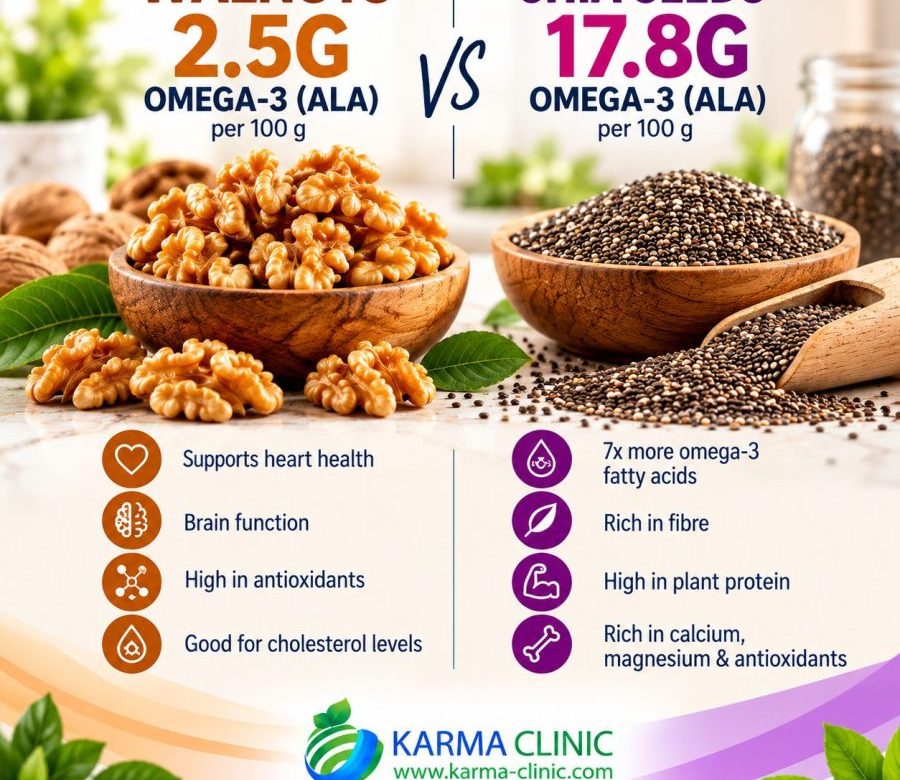
Both foods contain the essential plant-based omega-3 fatty acid alpha-linolenic acid (ALA). Chia seeds provide more ALA, fibre and calcium per 100 g, while walnuts are rich in unsaturated fats and polyphenols.
| Nutrient per 100 g | Walnuts | Chia seeds |
|---|---|---|
| Calories | 654 kcal | 486 kcal |
| Protein | 15.2 g | 16.5 g |
| Total fat | 65.2 g | 30.7 g |
| Omega-3 (ALA) | 9.1 g | 17.8 g |
| Dietary fibre | 6.7 g | 34.4 g |
| Calcium | 98 mg | 631 mg |
| Magnesium | 158 mg | 335 mg |
| Total carbohydrate (including fibre) | 13.7 g | 42.1 g |
Approximate values for raw walnuts and dried chia seeds from standard food-composition data. Values vary by product.
2. Health Benefits of Walnuts
Heart health and cholesterol
Walnuts provide polyunsaturated fats, including ALA. Eating walnuts as part of a balanced diet, particularly instead of foods high in saturated fat, may help improve LDL cholesterol levels and support cardiovascular health.
Brain health
Walnuts contain essential fats and antioxidant compounds. Research into their effects on memory and cognitive function is ongoing; they should not be considered a treatment for cognitive decline.
Antioxidants and satiety
Walnuts contain polyphenols, including ellagitannins. Their combination of fat, protein and fibre may also make meals more satisfying.
Practical portion: Around 20–30 g of walnuts is a useful everyday portion for many adults, adjusted to individual energy needs.
3. Health Benefits of Chia Seeds
High fibre for digestive health
A 20 g portion of chia seeds provides approximately 6.9 g of fibre. Fibre supports normal bowel function and can help increase feelings of fullness.
Plant-based omega-3 fatty acids
Chia seeds contain approximately 17.8 g of ALA per 100 g. ALA is an essential omega-3 fat, but the body converts only a limited amount into the long-chain omega-3 fats EPA and DHA found in oily fish.
Blood sugar and bone-supporting minerals
The gel-forming soluble fibre in chia seeds may help moderate blood glucose responses when included in balanced meals. Chia seeds also provide calcium, magnesium and phosphorus, although mineral absorption varies.
A helpful addition to a slimming diet
Chia seeds can add fibre and texture to yoghurt, porridge, smoothies and puddings. They do not burn body fat or produce weight loss on their own.
Practical portion: Start with 1 tablespoon (around 12 g), increasing gradually if tolerated. Mix chia into moist foods or soak in liquid; do not swallow spoonfuls of dry chia seeds.
4. Walnuts vs Chia Seeds for Weight Loss: Which Is Better?
Chia seeds may be particularly useful when your goal is to increase fibre intake. Walnuts can make meals more satisfying and supply beneficial unsaturated fats. Portion size matters for both foods.
Walnuts · 28 g
Chia seeds · 20 g
For sustainable weight loss or slimming, focus on overall energy intake, adequate protein, fibre, regular movement and consistent habits. No single food can target belly fat.
5. Three Healthy Chia Seed Recipes
These recipes use simple ingredients commonly available in Malta and fit easily into a balanced Mediterranean-style diet.
Breakfast · 5 min + 2 hours chilling · 1 serving
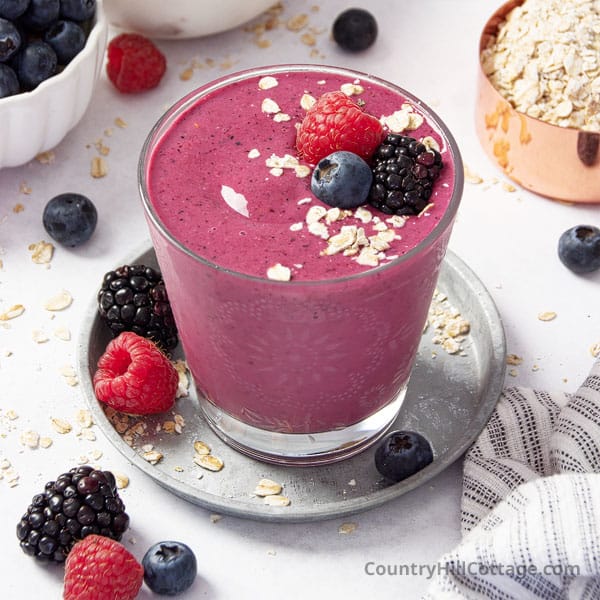
Recipe 1: Mediterranean Berry & Chia Seed Pudding
Ingredients
- 25 g chia seeds
- 150 ml unsweetened almond milk
- 100 g plain low-fat Greek yoghurt
- 75 g mixed berries
- ¼ tsp vanilla extract
- Cinnamon to taste
Method
- Mix chia seeds, almond milk, vanilla and cinnamon in a jar.
- Stir, wait 10 minutes, then stir again to prevent clumps.
- Refrigerate for at least 2 hours or overnight.
- Top with Greek yoghurt and berries before serving.
Nutritionist tip: Use unsweetened milk and yoghurt to keep added sugar low.
Estimated nutrition: Approximately 275 kcal, 15 g protein and 12 g fibre per serving. Values depend on ingredients and brands.
Smoothie · 5 min + brief hydration · 1 serving
Recipe 2: Banana, Spinach & Chia Smoothie
Ingredients
- 15 g chia seeds
- 1 small banana (about 100 g peeled)
- 40 g fresh spinach
- 150 g plain low-fat Greek yoghurt
- 150 ml cold water
- 1 tsp lemon juice
- Ice, optional
Method
- Blend the banana, spinach, yoghurt, water and lemon juice.
- Add chia seeds and blend until smooth.
- Allow to stand for 5–10 minutes to hydrate the chia.
- Serve chilled.
Nutritionist tip: Greek yoghurt adds protein; for a lighter option, use half a banana.
Estimated nutrition: Approximately 270 kcal, 19 g protein and 7 g fibre per serving. Values depend on ingredients and brands.
Healthy dessert · 5 min + 2 hours chilling · 2 servings
Recipe 3: Chocolate Chia Pudding with Walnuts
Ingredients
- 35 g chia seeds
- 200 ml unsweetened almond milk
- 100 g plain low-fat Greek yoghurt
- 10 g unsweetened cocoa powder
- 15 g chopped walnuts
- ½ tsp vanilla extract
- Optional sweetener, to taste
Method
- Whisk the almond milk, cocoa and vanilla until smooth.
- Stir in chia seeds and Greek yoghurt.
- Wait 10 minutes, stir again and refrigerate for at least 2 hours.
- Divide between two glasses and top evenly with walnuts.
Nutritionist tip: Measure the walnut topping to manage calories while benefiting from unsaturated fats.
Estimated nutrition: Approximately 205 kcal, 9 g protein and 9 g fibre per serving. Values depend on ingredients and brands.
6. Frequently Asked Questions
Are chia seeds better than walnuts for weight loss?
Chia seeds contain more fibre and fewer calories per 100 g. Both can fit a calorie-controlled diet, but neither causes weight loss by itself.
Can I eat walnuts and chia seeds every day?
Most healthy adults can include moderate portions daily. Avoid walnuts if you have a walnut allergy, and take care with dry chia seeds if you have swallowing difficulties.
Which has more omega-3: walnuts or chia seeds?
Chia seeds contain about 17.8 g ALA per 100 g, compared with about 9.1 g in walnuts.
Do chia seeds reduce belly fat?
No food specifically targets abdominal fat. Chia can contribute fibre to a balanced diet, but overall fat loss depends on sustained habits.
Should chia seeds be soaked?
Chia can be soaked or mixed into moist foods such as yoghurt. Avoid eating spoonfuls of dry chia seeds because they expand on contact with liquid.
Can walnuts help lower cholesterol?
Walnuts may help improve LDL cholesterol when included in a balanced diet, especially in place of foods higher in saturated fat.
7. Personalised Nutrition and Healthy Weight Loss in Malta
Healthy eating is about building a dietary pattern that works for your body, lifestyle and goals. Karma Clinic Malta supports personalised nutrition and sustainable approaches to weight management, slimming and healthier everyday eating.
Start Your Healthier Lifestyle
Discover personalised nutrition support at Karma Clinic Malta.
8. Sources and Further Reading
- USDA FoodData Central – food composition data
- NIH NCCIH – Omega-3 fatty acids
- PubMed – walnut consumption and LDL cholesterol research
- PubMed – chia seeds and cardiometabolic health research
Disclaimer: This article provides general nutrition information, not individual medical advice. Nutrition values and portion needs vary.