


Vitamin D in Winter in Malta: The “Winter Dip” Explained
Malta enjoys plenty of sunshine, yet vitamin D status can still be a concern—especially when days get shorter and we spend more time indoors. Here is what the evidence says about food, sunlight, testing and supplements.
Why can vitamin D levels fall during winter in Malta?
Vitamin D is made in the skin when UVB radiation reaches it. During autumn and winter the sun is lower, daylight hours are shorter and many people spend more time indoors. Clothing and limited outdoor exposure further reduce opportunities for synthesis.
Unlike locations farther north, Malta may still have some vitamin D-producing UVB on suitable winter days. However, the amount varies with time of day, weather, skin type and exposed skin area. Sunshine does not guarantee adequate vitamin D status.
What does vitamin D actually do?
Bones and teeth
Helps the body absorb calcium and phosphorus; severe deficiency can cause osteomalacia in adults.
Muscles
Supports normal muscle function; severe deficiency may contribute to weakness.
Immune function
Plays a role in normal immune regulation, but supplements are not a guaranteed way to prevent colds or flu.
Mood and energy
Low levels can coexist with fatigue or low mood, but these symptoms have many causes and supplementation is not a proven treatment for depression.
Possible signs of deficiency—and when to seek advice
Many people with low vitamin D have no symptoms. Significant deficiency can be associated with bone pain and muscle weakness. Tiredness and low mood are common but nonspecific; they should not be attributed to vitamin D without proper assessment.
Where clinically indicated, a doctor may request a 25-hydroxyvitamin D [25(OH)D] blood test. Routine testing of all otherwise healthy adults is generally not recommended. Persistent symptoms deserve a broader medical review.
Who may be at greater risk?
- People with little sun exposure, including those who spend most of their day indoors or cover most of their skin.
- Older adults and people with darker skin pigmentation.
- People with malabsorption conditions, including coeliac disease or inflammatory bowel disease, or a history of bariatric surgery.
- People with obesity or who take certain medicines that affect vitamin D metabolism.
- People with very limited dietary sources, particularly when combined with low sun exposure.
Pregnancy, infancy, chronic kidney or liver disease and other medical circumstances require individual advice rather than a one-size-fits-all supplement recommendation.
Best foods containing vitamin D
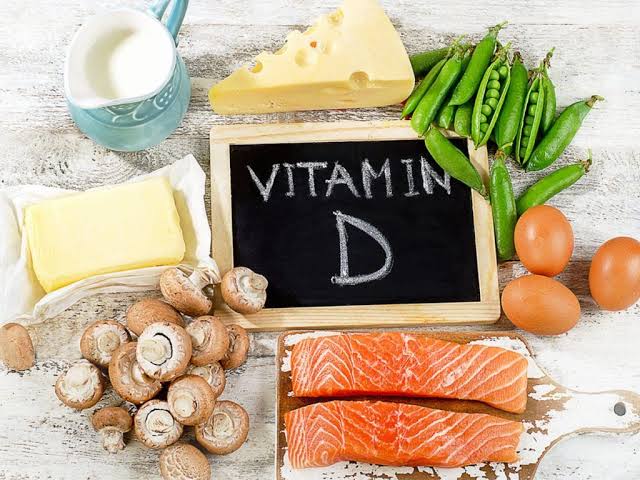
Vitamin D is naturally present in relatively few foods. Amounts vary substantially by species, origin, production and fortification; use packaging or a recognised food-composition database for precise values.
| Food | How to include it | Important note |
|---|---|---|
| Salmon, sardines and mackerel | Include oily fish in balanced meals. | Among the most useful natural dietary sources; content varies by fish. |
| Egg yolks | Use whole eggs in breakfasts and meals. | Usually provide modest amounts. |
| UV-exposed mushrooms | Add to omelettes and vegetable dishes. | Look for specific vitamin D or UV-exposure labelling; ordinary mushrooms may contain very little. |
| Fortified milk, plant drinks and cereals | Check labels when shopping. | Fortification is product-specific, not universal in Malta. |
Can you rely on winter sunshine?
Spending time outdoors supports general wellbeing, but there is no universal safe number of minutes of sun exposure that guarantees sufficient vitamin D. Avoid sunburn and follow established sun-protection advice. Do not deliberately seek prolonged unprotected UV exposure to treat deficiency.
Vitamin D supplements: how much is appropriate?
Guidelines differ because they address different populations and assumptions about sunlight. For example, EFSA’s adult adequate intake is 15 micrograms (600 IU) daily under conditions of minimal skin synthesis. The NHS advises considering 10 micrograms (400 IU) daily in autumn and winter. These are population-level reference points, not personalised prescriptions for everyone living in Malta.
For adults, the tolerable upper intake level is 100 micrograms (4,000 IU) per day; this is a safety limit, not a recommended daily dose. A clinician may prescribe a different regimen for confirmed deficiency. Excess supplementation can cause hypercalcaemia and kidney damage. Check with your doctor if you have kidney disease, high calcium levels, relevant medical conditions or take medicines that may interact.
Vitamin D is fat-soluble and can be taken with a meal containing some fat. Both D2 and D3 can raise vitamin D levels; D3 may maintain levels more effectively in some circumstances.
Does vitamin D help with weight loss or slimming?
Vitamin D supplements are not a weight-loss treatment. People with obesity often have lower circulating vitamin D concentrations, but this does not establish that deficiency causes weight gain. A healthy weight-management programme focuses on sustainable nutrition, adequate protein, fibre, activity and individual health needs. Vitamin D adequacy is one part of overall nutritional care, not a shortcut to fat loss.
Two Mediterranean recipes with vitamin D-containing ingredients
These practical recipes feature oily fish, eggs and mushrooms. Actual vitamin D content depends on ingredients; do not rely on the dishes as a measured treatment dose.
Recipe 1: Lemon and herb baked salmon traybake with Mediterranean vegetables
Ingredients
- 2 salmon fillets (about 140 g each)
- 1 medium courgette, sliced
- 1 red pepper, cut in chunks
- 150 g cherry tomatoes
- 1 small red onion, in wedges
- 2 tbsp extra virgin olive oil
- 1 lemon (zest and juice)
- 2 garlic cloves, finely chopped
- 1 tsp dried oregano
- A handful of fresh parsley
- 1 tbsp capers (optional)
- Salt and black pepper
Method
- Heat the oven to 200°C (180°C fan).
- Place the vegetables on a large tray and toss with half of the olive oil, the oregano, salt and pepper. Roast for 10 minutes.
- Mix the remaining oil with the garlic, lemon zest and half the lemon juice.
- Nestle the salmon among the vegetables, spoon the lemon and garlic mixture on top, and add the capers if using.
- Bake for 10–12 minutes, until the salmon is just cooked through and flakes easily.
- Finish with the remaining lemon juice and chopped parsley. Serve with a green salad or a small portion of wholegrain bread or brown rice.
Nutritionist’s tips: Swap the salmon for fresh mackerel or sardines for a very local, budget-friendly option. This protein-rich meal can fit into a balanced eating plan; adjust portion sizes and accompaniments to individual needs.
Recipe 2: Mushroom and spinach baked eggs in tomato sauce
Ingredients
- 4 large eggs
- 200 g mushrooms (UV-exposed or vitamin D-enriched if you can find them, otherwise any mushroom)
- 100 g fresh spinach
- 1 tin (400 g) chopped tomatoes
- 1 small onion, diced
- 2 garlic cloves
- 1 tbsp extra virgin olive oil
- 1 tsp smoked paprika
- Pinch of chilli flakes (optional)
- 30 g feta or ricotta, crumbled
- Fresh basil or parsley
- Salt and black pepper
Method
- Heat the oil in a wide, ovenproof frying pan. Cook the onion for 3 minutes, then add the garlic and sliced mushrooms and cook until golden, about 5 minutes.
- Stir in the paprika, chilli and tinned tomatoes. Simmer for 5 minutes until thickened.
- Add the spinach and stir until wilted. Season well.
- Make four small wells in the sauce and crack an egg into each.
- Cover and cook gently for 5–7 minutes, or until the whites are set and the yolks are as runny as you like. Alternatively bake at 190°C for 8–10 minutes.
- Top with crumbled feta or ricotta and fresh herbs. Serve with a slice of wholegrain toast.
Nutritionist’s tips: UV exposure can increase vitamin D2 in mushrooms, but the amount depends on conditions and cannot be reliably estimated from a short period in sunlight. Eat the whole egg, as the yolk is where the vitamin D is found. This is a great breakfast or light dinner for a balanced everyday diet.
Example of a balanced winter day
- Breakfast: Eggs with spinach, mushrooms and wholegrain toast.
- Lunch: Sardine, tomato and chickpea salad with olive oil and lemon.
- Snack: Plain yoghurt, fruit and a small handful of nuts.
- Dinner: Salmon traybake with Mediterranean vegetables and a wholegrain side.
This is a food inspiration example, not an individual calorie-controlled diet or a guarantee of adequate vitamin D intake.
Personalised nutrition advice in Malta
At Karma Clinic, Daniel Petre helps clients improve their eating habits and develop realistic nutrition strategies. Your first consultation is free; any subsequent personalised programme can be discussed separately.
Frequently asked questions
Can you get vitamin D from the sun in Malta in winter?
Yes, vitamin D synthesis may still occur on some winter days in Malta, but it varies with sun angle, time outdoors, skin exposure and other factors. Do not use sunburn or unprotected prolonged exposure as a strategy.
What are the best dietary sources of vitamin D?
Oily fish such as salmon, sardines and mackerel, egg yolks, labelled UV-exposed mushrooms and vitamin D-fortified foods are useful sources.
Does vitamin D help you lose weight?
Vitamin D supplements have not been shown to produce meaningful weight loss on their own. A balanced diet, activity and appropriate energy intake remain central.
Should everyone have a vitamin D blood test?
No. Routine screening of healthy adults without an indication is generally not recommended. A clinician may request a 25-hydroxyvitamin D test when risk factors, symptoms or relevant conditions warrant it.
How much vitamin D should adults take?
Recommendations vary. EFSA sets an adequate intake of 15 micrograms (600 IU) daily for adults under conditions of minimal skin synthesis, while the NHS advises considering 10 micrograms (400 IU) daily during autumn and winter. Individual requirements can differ.
Can too much vitamin D be harmful?
Yes. Excess vitamin D from supplements can cause hypercalcaemia and kidney damage. The adult tolerable upper intake level of 100 micrograms (4,000 IU) daily is a safety ceiling, not a recommended dose.
Sources and further reading
- NHS — Vitamin D
- NIH Office of Dietary Supplements — Vitamin D (health professionals)
- EFSA — Dietary reference values for vitamin D
Medical disclaimer: This article provides general education, not diagnosis or individual medical advice. Discuss symptoms, testing and supplementation with an appropriate healthcare professional.