
September is one of the best months to reset your eating habits in Malta.
After the holidays, summer dinners, travelling and a more relaxed routine, many people reach September thinking about weight loss, slimming, returning to fitness or simply eating healthy again.
The good news? You do not need a detox, an extreme low-calorie diet or a list of foods you are suddenly forbidden to eat.
September offers an excellent opportunity to return to simple Mediterranean nutrition, taking advantage of colourful fruits and vegetables while rebuilding regular meals, sensible portions and a healthier daily routine.
As a Nutritionist in Malta, I encourage people to look beyond individual “superfoods.” A healthy diet is built from the overall pattern of what you eat: vegetables, fruit, adequate protein, fibre-rich carbohydrates, healthy fats and portions appropriate for your individual requirements.
September makes that approach particularly enjoyable.
What Are the Best Foods to Eat in Malta in September?
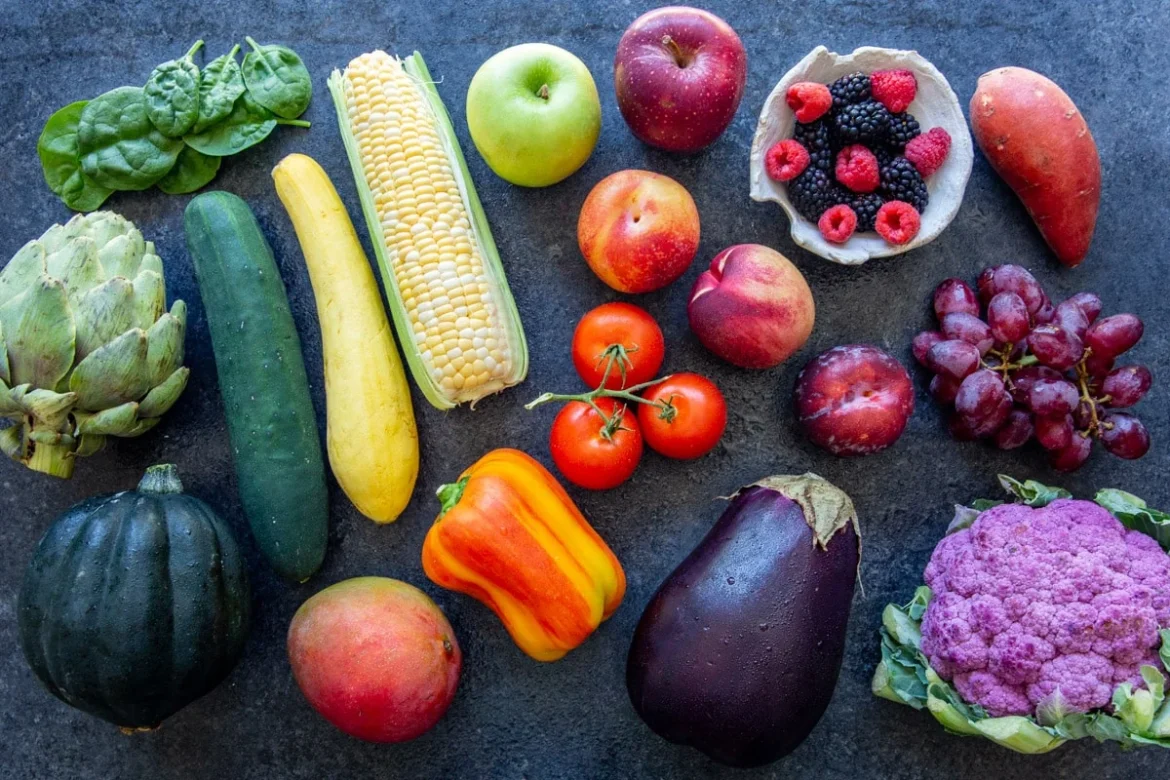
Some of the best seasonal Mediterranean foods to enjoy in Malta during September include tomatoes, aubergines, peppers, courgettes, figs and grapes, with foods such as pomegranates becoming increasingly relevant as autumn approaches.
These foods can provide valuable fibre, vitamins, minerals and beneficial plant compounds.
For people interested in weight loss, slimming, menopause nutrition, healthy eating or fitness, however, the secret is not simply eating more “healthy foods.”
It is learning how to combine them.
A balanced September meal might include:
Plenty of vegetables + a quality protein source + an appropriate portion of carbohydrate + a controlled amount of healthy fat.
That simple formula can take you much further than another restrictive September diet.
Why Eat Seasonal Foods in September?
Eating seasonal produce is not a magic weight-loss strategy.
But it can make a healthy diet easier, more varied and considerably more enjoyable.
Vegetables are particularly useful for weight management because many provide substantial volume, water and fibre without contributing large amounts of calories.
Imagine two lunches.
One is a small processed meal that you finish in a few minutes.
The other contains grilled fish alongside a large salad of tomatoes, peppers, cucumber and herbs, with potatoes and a little olive oil.
The second plate can provide greater food volume and nutritional variety while still fitting comfortably into a well-designed weight-management programme.
This is one of the principles I encourage in healthy nutrition:
Do not only think about eating less. Learn how to eat better.
Seasonal eating also encourages dietary variety.
Different colours in fruits and vegetables represent different combinations of vitamins, minerals and phytochemicals.
Rather than searching for one miracle “superfood,” regularly include different colours and different plant foods.
Here are seven foods worth putting on your September shopping list.
7 Healthy Seasonal Foods to Enjoy in Malta This September
1. Fresh Figs: Naturally Sweet and Rich in Fibre
Fresh figs are one of the pleasures of the Mediterranean season.
They provide dietary fibre and nutrients including potassium, calcium and magnesium, alongside naturally occurring plant compounds.
Their sweetness also makes them an excellent alternative when you want something naturally sweet after a meal.
But there is an important nutritional principle to remember:
Healthy does not mean unlimited.
Figs contain naturally occurring sugars and calories, so portion size still matters—particularly when your goal is weight loss or slimming.
A practical serving
For many people, 2–3 fresh figs can work well as part of a balanced snack, although individual requirements vary.
Instead of eating them alone, try combining figs with protein or healthy fats.
For example:
Greek yoghurt + 2 fresh figs + cinnamon + a few walnuts
You get sweetness, texture and a more satisfying combination than fruit alone.
Nutritionist tip
If you tend to crave something sweet in the afternoon, do not automatically try to eliminate sweetness completely.
Sometimes creating a better snack is more sustainable than trying to rely on willpower.
2. Grapes: Healthy and Refreshing—but Watch the Portion
September and grapes naturally belong together in the Mediterranean.
Grapes provide water, carbohydrates and various polyphenols. Dark-coloured varieties also contain anthocyanins and other plant compounds.
The problem with grapes is not that they are “fattening.”
The problem is how easy they are to eat without noticing the quantity.
You rarely decide:
“I am going to eat 35 grapes.”
You simply put a bunch next to you and keep eating.
For someone following a slimming or weight-loss diet, portion awareness therefore becomes useful.
A better approach
Take your serving from the bunch and put the rest away.
Approximately 100–150 g may be a reasonable serving for many people, although your individual requirements depend on your overall diet, activity and objectives.
Try:
Grapes + natural yoghurt
or
Grapes + a small portion of almonds
Adding protein or healthy fats can create a more balanced and satisfying snack.
3. Tomatoes: A Mediterranean Nutrition Essential
Tomatoes deserve their place at the centre of Mediterranean cooking.
They provide vitamin C, potassium, folate and carotenoids, including lycopene.
Lycopene is the pigment responsible for much of the red colour in tomatoes and has been extensively studied for its antioxidant properties.
Interestingly, processing and cooking tomatoes can improve the bioavailability of lycopene, particularly when consumed as part of a meal containing some fat.
This makes the traditional Mediterranean combination of tomatoes and olive oil nutritionally interesting as well as delicious.
Tomatoes and weight loss
Tomatoes contain a high proportion of water and are relatively low in calories.
Use them generously in:
- salads
- soups
- omelettes
- vegetable sauces
- fish dishes
- bean and lentil dishes
- roasted vegetables
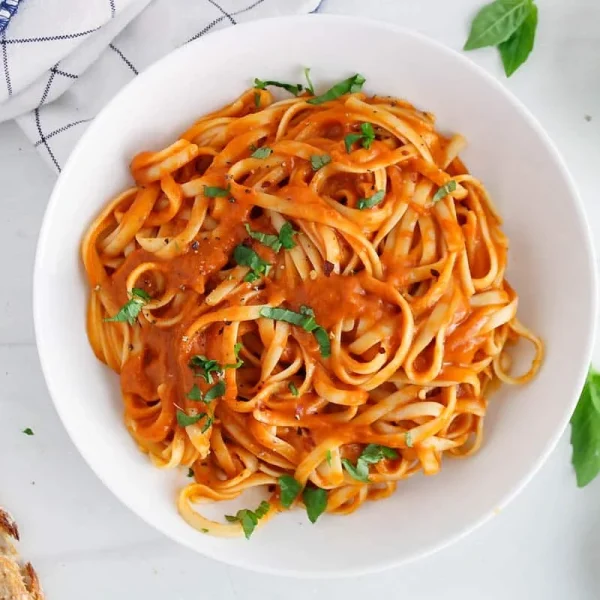
A homemade tomato and vegetable sauce can provide enormous flavour without requiring a heavy cream-based sauce.
4. Aubergines: Excellent for High-Volume Healthy Meals
Aubergines—or eggplants—are extremely versatile in Mediterranean cooking.
They provide fibre and various phenolic compounds and can help make vegetable-based meals more substantial.
Try them:
- grilled
- baked
- roasted
- air-fried
- in tomato-based sauces
- with chickpeas or lentils
- alongside fish or chicken
However, aubergines come with one nutritional trap.
Aubergines absorb oil extremely easily.
A low-calorie vegetable can therefore become a surprisingly energy-dense dish when fried or cooked in large quantities of oil.
For a slimming-friendly diet, grill, roast or air-fry aubergines and measure the amount of olive oil you use.
Olive oil can absolutely form part of a healthy Mediterranean diet.
But remember:
Healthy fats still contain calories.
5. Peppers: Colourful, Crunchy and Packed With Nutrition
Red, yellow and green peppers are another excellent addition to September meals.
Peppers—particularly red varieties—can provide substantial amounts of vitamin C, together with carotenoids and other plant compounds.
They are also relatively low in calories and extremely versatile.
Add peppers to:
- salads
- omelettes
- wraps
- soups
- chicken dishes
- fish dishes
- lentil salads
- grilled vegetable plates
One of my favourite principles for eating healthy is to make vegetables a visible part of the meal rather than a decorative side dish.
A large serving of grilled peppers, aubergines, courgettes and tomatoes can form the vegetable foundation of a satisfying Mediterranean plate.
Then add your protein and an appropriate carbohydrate portion.
6. Courgettes: Perfect for Light September Meals
Courgettes contain a high proportion of water, are relatively low in calories and are easy to incorporate into numerous dishes.
They are particularly useful during September when Malta’s weather can still be warm but we gradually begin moving towards more substantial autumn meals.
Try:
Grilled courgettes + fish + tomato salad
or
Courgette omelette + mixed salad
or
Roasted courgettes + chickpeas + herbs + yoghurt dressing
The objective of a successful weight-loss programme is not to create the smallest possible plate.
The objective is to create meals that are nutritious, satisfying, appropriately portioned and sustainable.
That difference is important.
7. Pomegranate: A Colourful Addition as Autumn Approaches
As autumn approaches, pomegranate can bring flavour, colour and nutritional variety to your diet.
Pomegranate arils provide fibre and contain polyphenols, including anthocyanins and other compounds that have attracted considerable nutritional research.
When possible, choose the whole fruit rather than relying on juice.
The whole fruit provides fibre and usually encourages more controlled consumption.
Try adding pomegranate seeds to:
- Greek yoghurt
- salads
- porridge
- chia pudding
- roasted vegetables
A relatively small amount can transform an otherwise simple September salad.
September Foods and Weight Loss: What Actually Matters?
One of the most common problems I see in weight-loss nutrition is the obsession with individual foods.
People ask:
Which fruit burns fat?
What should I eat to lose belly fat?
Which food speeds up my metabolism?
Should I stop eating fruit because it contains sugar?
There is no September fruit, vegetable or spice that makes body fat disappear.
Successful weight management depends on your overall energy balance, dietary pattern, physical activity, muscle mass, sleep, behaviour and consistency over time.
Seasonal vegetables can certainly help.
They allow us to create satisfying, high-volume meals while keeping energy intake appropriate.
A practical plate can often be structured approximately as:
½ vegetables
¼ protein
¼ quality carbohydrate
plus an appropriate amount of healthy fat.
Individual requirements will vary, particularly according to activity, age, body composition and health goals.
A Healthy Mediterranean September Lunch
Try this simple combination:
Grilled sea bass
with
Tomato, pepper, cucumber and herb salad
plus
A moderate portion of potatoes
finished with
Olive oil, lemon and fresh herbs
You have protein, vegetables, carbohydrates and healthy fats in one straightforward meal.
No detox.
No shake.
No starvation.
No complicated “diet food.”
Just real Mediterranean food in appropriate portions.
September Nutrition During Menopause
September can also be an excellent opportunity for women experiencing perimenopause or menopause to reassess their nutrition.
Hormonal changes during the menopausal transition can coincide with changes in body composition and fat distribution.
Ageing, physical activity, sleep, muscle mass and dietary intake can also contribute.
This means the answer should not simply be:
“Eat much less.”
For many women, a more intelligent strategy is improving the structure and nutritional quality of the diet while maintaining or developing muscle through appropriate physical activity.
Protein
Adequate dietary protein helps support the maintenance of muscle, particularly when combined with resistance exercise.
Useful protein sources include:
- fish
- eggs
- Greek yoghurt
- cottage cheese
- poultry
- beans and lentils
- tofu and other appropriate plant proteins
Instead of eating most of your protein at dinner, consider distributing protein across your meals.
Fibre
Vegetables, fruit, beans, lentils, whole grains, nuts and seeds can all contribute towards adequate dietary fibre.
Fibre is important for digestive health and can also contribute to satiety.
Calcium and Vitamin D
Bone health becomes particularly important during and after menopause.
Include appropriate calcium-rich foods in your diet and discuss vitamin D status or supplementation with an appropriately qualified healthcare professional when necessary.
Resistance Exercise
Nutrition and exercise should work together.
Resistance training becomes particularly valuable as we age because maintaining muscle has implications for strength, physical function and body composition.
This is why fitness and nutrition during menopause should not be treated as completely separate subjects.
[INTERNAL LINK: Nutrition and Weight Management During Menopause]
Eating Healthy for Fitness: Use September to Rebuild Your Routine
September often means returning to the gym or restarting regular exercise after summer.
One common mistake is combining an aggressive low-calorie diet with a sudden increase in training.
The result?
You may feel hungry, tired, irritable and eventually struggle to maintain either the diet or the exercise programme.
Instead, build meals around three basic components:
Protein + vegetables or fruit + appropriate carbohydrate
For example:
Before training
Natural yoghurt + banana
or
Wholegrain toast + egg
After training
Greek yoghurt + fruit
or
Chicken + rice + vegetables
or
Fish + potatoes + salad
The exact nutritional requirements depend on your body size, activity level, training volume, goals and health circumstances.
An endurance athlete does not have the same requirements as someone attending the gym three times per week primarily for weight management.
This is where personalised nutrition becomes valuable.
A Simple September Healthy Eating Day
Here is an example of how September foods could fit naturally into a balanced day.
Breakfast
Greek yoghurt with fresh figs, cinnamon and walnuts
Mid-Morning
Fresh fruit if hungry
Lunch
Grilled chicken or fish with tomato, pepper, cucumber and herb salad, plus a moderate portion of potatoes or wholegrain bread
Afternoon Snack
A small portion of grapes with natural yoghurt
Dinner
Roasted aubergine, courgette, peppers and tomatoes with lentils, chickpeas, fish or another quality protein source
Dessert
Natural yoghurt topped with a few pomegranate seeds
Notice what is missing from this menu.
There is no detox drink.
There is no starvation.
There is no miracle supplement.
There is no “fat-burning” food.
It is simply healthy Mediterranean nutrition based predominantly around real food.
7 Nutritionist Tips for a Healthier September
If you want to improve your nutrition in Malta this September, start with these seven practical habits.
1. Eat vegetables at lunch and dinner
Do not wait until dinner to eat your vegetables. Make them part of both main meals whenever practical.
2. Include quality protein in your main meals
Protein can help support satiety and maintenance of muscle.
3. Choose whole fruit more often than juice
Whole fruit provides fibre and usually requires more time to consume than juice.
4. Watch portions of calorie-dense healthy foods
Olive oil, nuts, seeds and nut butters can be nutritious, but portions still matter when weight loss is your objective.
5. Stay hydrated
September in Malta can remain very warm.
Keep water readily available, particularly when exercising outdoors.
6. Return to regular physical activity
Walking, swimming, cycling and other cardiovascular activities are useful, but do not forget resistance exercise.
7. Stop looking for the perfect diet
Look for an eating pattern you can realistically maintain.
Consistency usually takes you further than perfection.
Frequently Asked Questions About September Nutrition in Malta
What foods are good to eat in September in Malta?
September is an excellent time to enjoy Mediterranean produce including tomatoes, peppers, aubergines, courgettes, figs and grapes, while pomegranates become increasingly relevant as autumn approaches. Exact availability can vary according to growing conditions and the particular point in the season.
What are the best September foods for weight loss?
There is no individual food that causes weight loss. However, vegetables such as tomatoes, peppers, courgettes and aubergines can help create high-volume, nutrient-dense meals that fit well within an appropriately calorie-controlled diet.
Can I eat fruit when trying to lose weight?
Yes. Whole fruit can form part of a healthy weight-loss diet. Your total dietary intake and portion sizes matter more than eliminating fruit simply because it contains naturally occurring sugars.
Are figs good for slimming?
Fresh figs can be included in a slimming diet. They provide fibre and micronutrients, but portions still matter because figs also provide naturally occurring sugars and calories.
Are grapes fattening?
No individual food automatically causes weight gain. Body weight is influenced by overall energy balance over time. Grapes can be included in a healthy diet, although they can be easy to overeat, so portion awareness may be useful.
What should I eat during menopause to help manage my weight?
A healthy eating pattern during menopause can prioritise adequate protein, plenty of vegetables, fruit, fibre-rich carbohydrate sources and appropriate healthy fats while considering overall energy intake. Resistance exercise, sleep and lifestyle are also important.
Can a Nutritionist help with weight loss during menopause?
A qualified nutrition professional can assess dietary intake, lifestyle, weight history, activity and individual requirements and develop a personalised strategy rather than relying on a generic menopause diet.
What should I eat when returning to fitness after summer?
Prioritise regular balanced meals containing quality protein, vegetables or fruit, appropriate carbohydrate sources and healthy fats. Your carbohydrate and total energy requirements should reflect the type, duration and intensity of your training.
September Is a Reset—Not a Punishment
If your eating became less structured during summer, you do not need to punish yourself in September.
You do not need to skip meals.
You do not need to eliminate carbohydrates.
You do not need to live on salads.
And you certainly do not need another two-week miracle diet.
Instead, use September as an opportunity to return to eating healthy, moving regularly and preparing simple Mediterranean meals.
Fill your kitchen with colourful seasonal vegetables.
Include adequate protein.
Enjoy fruit in appropriate portions.
Be conscious of portions of oils, alcohol, sweets and highly processed foods.
Move your body.
Protect your sleep.
And build habits that you can still maintain in October, November and beyond.
Because the most successful diet is rarely the one you can tolerate for two weeks.
It is the healthy way of eating you can realistically maintain.
Looking for a Nutritionist in Malta?
Every person has different nutritional requirements.
Age, lifestyle, activity, food preferences, body composition, health status and life stages such as menopause can all influence what constitutes an appropriate diet.
If your goal is weight loss, slimming, healthier eating, improved fitness or better nutrition, an individual assessment can help identify an approach appropriate for you.
At Daniel Petre – Karma Clinic in Malta, nutrition programmes take an individual approach rather than relying on a generic diet copied from the internet.
A personalised nutrition strategy can help you understand not only what to eat, but how to create an eating pattern that works with your lifestyle and can realistically be maintained.
Start your September health reset with a personalised nutrition assessment and a plan designed around you.
About the Author
Daniel Petre – Registered Nutritionist, Karma Clinic Malta
Daniel Petre is a Registered Nutritionist at Karma Clinic in Malta with more than 20 years of experience working with clients on personalised nutrition, healthy eating and weight-management programmes.
His approach considers nutrition alongside lifestyle, eating habits and individual needs, helping clients develop realistic strategies that can be maintained long term.
Evidence & Further Reading
Nutritional recommendations should be based on established evidence rather than social-media trends.
For further evidence-based information, readers can consult resources from organisations such as the World Health Organization (WHO) and European Food Safety Authority (EFSA), as well as appropriate national and European health authorities.
Key Takeaway
September is an excellent time to return to healthy eating in Malta. Seasonal Mediterranean foods such as tomatoes, peppers, aubergines, courgettes, figs and grapes can help create colourful, nutritious and satisfying meals. For weight loss, slimming, menopause or fitness, however, the most important factor is not one individual food—it is the quality, quantity and consistency of your overall diet.
Healthy nutrition is not about eating less at every opportunity. It is about learning to eat better.