
Understanding the Link Between Insulin Resistance, Weight Loss, Diet, and Metabolic Health
Have you been eating less, trying different diets, exercising regularly, and still struggling to lose weight?
Do you feel tired after meals, experience constant sugar cravings, or notice that most of your weight is accumulating around your waist?
If so, insulin resistance may be the hidden factor affecting your metabolism.
At Karma Clinic Malta, we frequently see patients who are frustrated by unsuccessful weight loss attempts despite their best efforts. In many cases, the underlying issue is not a lack of willpower or discipline—it is a metabolic condition known as insulin resistance.
Understanding insulin resistance is one of the most important steps toward achieving sustainable weight loss, improving energy levels, and protecting your long-term health.
What Is Insulin Resistance?
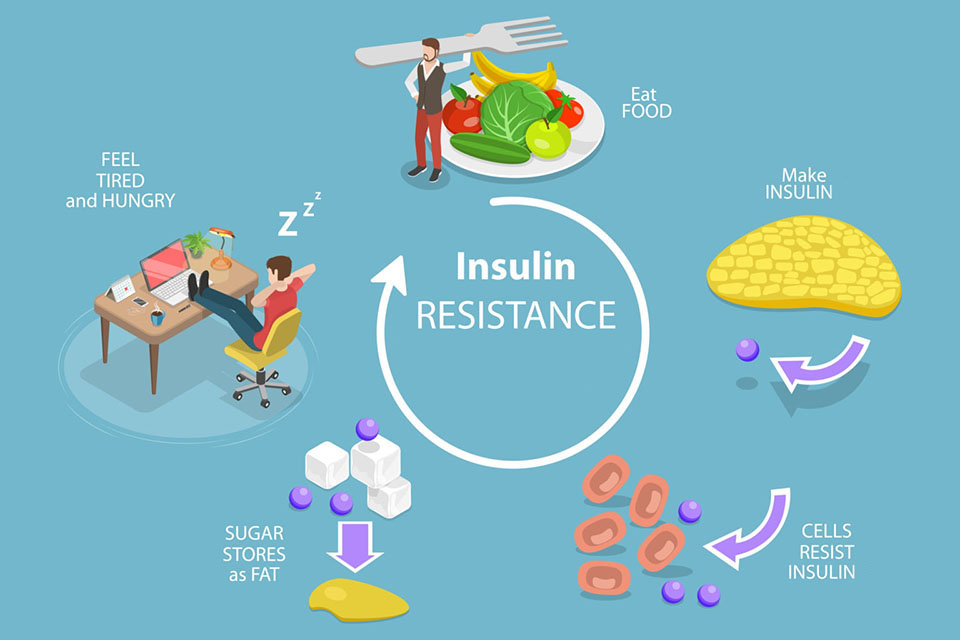
Insulin is a hormone produced by the pancreas that helps move glucose (sugar) from your bloodstream into your cells, where it is used for energy.
When the body’s cells become less responsive to insulin, the pancreas must produce increasingly larger amounts to keep blood sugar levels under control. This condition is known as insulin resistance.
As insulin levels rise, the body becomes more efficient at storing fat and less efficient at burning it for energy.
Over time, insulin resistance can lead to:
- Weight gain
- Increased abdominal fat
- Prediabetes
- Type 2 diabetes
- Fatty liver disease
- High blood pressure
- Cardiovascular disease
- Hormonal imbalances
Many people live with insulin resistance for years before receiving a diagnosis.
How Common Is Insulin Resistance in Malta?
Insulin resistance is becoming increasingly common in Malta due to a combination of factors including sedentary lifestyles, highly processed diets, chronic stress, poor sleep habits, and rising obesity rates.
Many adults seeking help for weight loss, slimming, healthy eating, or metabolic health may already be experiencing insulin resistance without realizing it.
Because the condition often develops gradually, symptoms are frequently overlooked or attributed to aging, stress, or hormonal changes.
Signs and Symptoms of Insulin Resistance
Insulin resistance can affect nearly every system in the body.
Common symptoms include:
Weight-Related Symptoms
- Difficulty losing weight
- Weight gain despite eating less
- Stubborn belly fat
- Increased waist circumference
- Frequent hunger
Energy and Mood Symptoms
- Fatigue after meals
- Afternoon energy crashes
- Brain fog
- Poor concentration
- Irritability when hungry
Metabolic Symptoms
- Elevated blood sugar levels
- High triglycerides
- Low HDL cholesterol
- Fatty liver
Hormonal Symptoms
- Polycystic Ovary Syndrome (PCOS)
- Irregular menstrual cycles
- Fertility challenges
- Increased cravings for sugary foods
If several of these symptoms sound familiar, it may be worth discussing metabolic testing with a healthcare professional.
Why Insulin Resistance Makes Weight Loss Difficult
One of the biggest misconceptions about weight loss is that it is simply a matter of eating less and moving more.
While calorie balance matters, hormones also play a significant role.
Insulin is often referred to as the body’s primary fat-storage hormone.
When insulin levels remain elevated:
- Fat storage increases
- Fat burning decreases
- Hunger becomes more frequent
- Cravings intensify
- Energy levels fluctuate
This creates a cycle where losing weight becomes increasingly difficult, even when following a traditional diet plan.
Many people searching for weight loss solutions in Malta are unknowingly fighting against this metabolic imbalance.
What Causes Insulin Resistance?
Insulin resistance typically develops from a combination of lifestyle, environmental, and genetic factors.
Excess Sugar and Refined Carbohydrates
Frequent consumption of sugary drinks, sweets, white bread, pastries, and processed foods can lead to repeated blood sugar spikes and increased insulin production.
Lack of Physical Activity
Muscles are one of the body’s largest consumers of glucose. A sedentary lifestyle reduces glucose uptake and contributes to insulin resistance.
Chronic Stress
Stress hormones such as cortisol can increase blood sugar levels and worsen insulin sensitivity over time.
Poor Sleep
Research consistently shows that inadequate sleep negatively affects blood sugar regulation and appetite control.
Excess Body Fat
Visceral fat, particularly around the abdomen, releases inflammatory compounds that interfere with insulin function.
Genetic Predisposition
Some individuals have a stronger genetic tendency toward insulin resistance, although lifestyle factors remain highly influential.
How Is Insulin Resistance Diagnosed?
Routine blood tests do not always detect early insulin resistance.
A comprehensive assessment may include:
Fasting Glucose
Measures blood sugar levels after fasting.
Fasting Insulin
One of the most valuable tests for identifying early insulin resistance.
HbA1c
Provides an average of blood sugar levels over approximately three months.
HOMA-IR
A calculation based on fasting glucose and fasting insulin levels that helps assess insulin sensitivity.
Lipid Profile
Particularly triglycerides and HDL cholesterol.
Liver Function Tests
Useful for assessing the presence of fatty liver disease.
A healthcare professional can help interpret these results and determine the most appropriate treatment plan.
The Best Diet for Insulin Resistance
The goal is not extreme dieting.
The goal is creating stable blood sugar levels and improving insulin sensitivity.
Prioritize Protein
Protein helps control appetite, maintain muscle mass, and reduce blood sugar fluctuations.
Examples include:
- Eggs
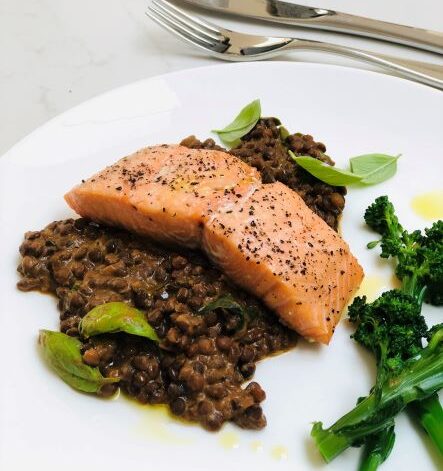
- Fish
- Chicken
- Turkey
- Greek yogurt
- Cottage cheese
- Legumes
Increase Fibre Intake
Fibre slows glucose absorption and supports digestive health.
Excellent sources include:
- Vegetables
- Oats
- Chia seeds
- Flaxseeds
- Lentils
- Beans
- Berries
Choose Quality Carbohydrates
Focus on:
- Sweet potatoes
- Oats
- Brown rice
- Quinoa
- Legumes
- Whole fruits
Include Healthy Fats
Healthy fats improve satiety and support hormone balance.
Good choices include:
- Olive oil
- Avocados
- Nuts
- Seeds
- Fatty fish
Reduce Ultra-Processed Foods
Limiting processed foods can significantly improve metabolic health and reduce inflammation.
Exercise and Fitness for Better Insulin Sensitivity
Physical activity is one of the most effective ways to improve insulin sensitivity.
Strength Training
Building muscle increases the body’s ability to use glucose efficiently.
Aim for two to four sessions per week.
Walking
Simple daily walking can have a profound impact on blood sugar control.
Aiming for 7,000–10,000 steps per day is a realistic goal for most adults.
Regular Movement
Avoid prolonged sitting whenever possible.
Small movement breaks throughout the day can improve metabolic function.
Can Insulin Resistance Be Reversed?
In many cases, yes.
Research consistently demonstrates that insulin sensitivity can improve significantly through lifestyle changes.
Key factors include:
- Healthy nutrition
- Weight reduction
- Increased physical activity
- Better sleep quality
- Stress management
Many individuals experience measurable improvements within 8 to 12 weeks of adopting healthier habits.
The earlier insulin resistance is identified, the easier it is to reverse.
Why Early Intervention Matters
Untreated insulin resistance can progress to more serious health conditions, including:
- Prediabetes
- Type 2 diabetes
- Cardiovascular disease
- Fatty liver disease
- Metabolic syndrome
- Fertility issues
- Chronic inflammation
Addressing the condition early can significantly reduce future health risks while improving quality of life.
How Karma Clinic Malta Can Help
At Karma Clinic Malta, we take a personalized, evidence-based approach to weight loss, nutrition, and metabolic health.
Our team can help you:
- Assess your metabolic health
- Identify insulin resistance risk factors
- Develop a personalized nutrition plan
- Improve eating habits
- Support healthy weight loss
- Enhance long-term wellness
We believe in sustainable lifestyle changes rather than quick fixes, helping patients achieve results that last.
Final Thoughts
If you are struggling with weight loss, fatigue, sugar cravings, or stubborn belly fat, insulin resistance may be the missing piece of the puzzle.
The good news is that insulin resistance is often reversible with the right combination of nutrition, movement, sleep, and lifestyle changes.
By addressing the root cause rather than focusing solely on calories, you can improve your metabolism, achieve sustainable weight loss, and protect your future health.
If you would like a personalized assessment of your metabolic health, contact Karma Clinic Malta to learn more about our nutrition and weight management services.