


By Daniel Petre, Registered Nutritionist at Karma Clinic, Malta — helping clients across Malta manage weight, hormones, and healthy eating for over 20 years.
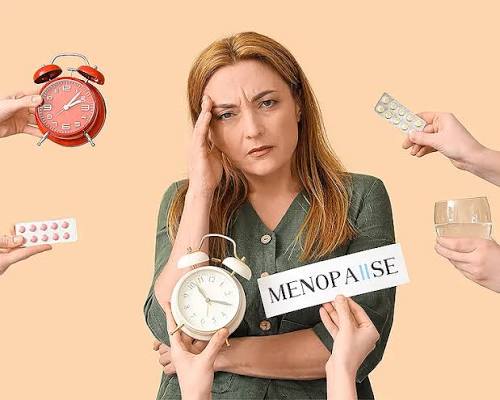
If you’re in perimenopause or menopause and noticing stubborn weight gain, low energy, or hot flashes that diet and exercise alone don’t seem to fix, you’re not imagining it — and you’re not alone. As a Nutritionist in Malta, this is one of the most common concerns I see in clinic. The good news: with the right diet and lifestyle approach, most menopause symptoms respond well to targeted nutrition. Here’s a complete, practical guide.
Understanding the Transition
Perimenopause is the transitional stage leading up to menopause, typically starting in a woman’s 40s (sometimes late 30s) and lasting anywhere from 2 to 10 years. Estrogen and progesterone fluctuate unpredictably rather than declining in a straight line — which is why symptoms can feel erratic.
Menopause is a single point in time: it’s officially diagnosed after 12 consecutive months without a menstrual period, typically around age 51.
Postmenopause refers to the years after, when estrogen settles at a consistently lower level. Many symptoms ease, but long-term factors like bone density and cardiovascular health become more important to manage.
Common Symptoms
| Category | Symptoms |
|---|---|
| Vasomotor | Hot flashes, night sweats |
| Sleep | Insomnia, frequent waking |
| Mood | Irritability, anxiety, low mood |
| Cognitive | Brain fog, forgetfulness |
| Metabolic | Weight gain (especially abdominal), slower metabolism |
| Musculoskeletal | Joint aches, accelerated bone loss |
| Genitourinary | Vaginal dryness, more frequent UTIs |
| Skin & hair | Thinning hair, drier skin |
| Menstrual (perimenopause) | Irregular, heavier, or lighter periods |
A Healthy Diet Strategy for Every Symptom
🔥 Hot Flashes & Night Sweats
- Increase phytoestrogen-rich foods: soy, tofu, tempeh, flaxseed, chickpeas, lentils.
- Identify personal triggers — caffeine, alcohol, and spicy food top the list.
- Stay hydrated and reduce refined sugar, which can worsen temperature swings.
😴 Sleep Disruption
- Add magnesium-rich foods: pumpkin seeds, almonds, leafy greens, dark chocolate.
- Avoid caffeine after midday; limit alcohol, which fragments sleep.
- A small protein + complex carb snack before bed helps prevent overnight blood sugar dips.
😟 Mood & Anxiety
- Stabilize blood sugar with regular meals containing protein, fiber, and healthy fats.
- Include omega-3s: fatty fish, walnuts, chia, flax.
- Ensure adequate B-vitamins: whole grains, eggs, leafy greens.
⚖️ Weight Gain & Metabolism (the #1 concern we see in clinic)
- Prioritize protein at each meal (25–30g) to preserve muscle and support satiety.
- Emphasize fiber — vegetables, legumes, whole grains — for fullness and gut health.
- Pair diet changes with strength training; muscle loss accelerates metabolic slowdown at this stage.
- A personalized weight loss plan accounts for your hormone stage rather than a generic calorie-cutting approach.
🦴 Bone Health
- Prioritize calcium (dairy, fortified plant milks, sardines, leafy greens) and vitamin D.
- Vitamin K2 and adequate protein support bone matrix strength.
🦵 Joint Aches & Inflammation
- Favor an anti-inflammatory, Mediterranean-style pattern: oily fish, olive oil, colorful vegetables, berries, turmeric, ginger — a natural fit for a Malta-based diet.
- Reduce ultra-processed food and excess seed oils.
💧 Vaginal Dryness & Skin Changes
- Healthy fats (avocado, olive oil, nuts, fatty fish) support skin and mucosal hydration.
- Stay well hydrated throughout the day.
🧠 Brain Fog
- Omega-3s, B12, and iron sufficiency all support cognitive clarity.
- Stable blood sugar reduces the mid-afternoon “fuzzy” feeling many women report.
Foods & Habits to Limit
- Caffeine — can worsen hot flashes, anxiety, and sleep quality
- Alcohol — disrupts sleep and can trigger hot flashes
- Refined sugar & ultra-processed foods — worsen blood sugar swings and inflammation
- Excess sodium — worsens bloating and, over time, bone calcium loss
- Spicy foods — a common individual hot flash trigger
- Trans fats & fried food — linked to inflammation and cardiovascular risk
Supplements Commonly Considered
Always check with your doctor or nutritionist before starting supplements, particularly with a history of breast cancer, blood clots, or other medications.
- Calcium — bone support, if dietary intake is low
- Vitamin D — bone health and immune function
- Magnesium — sleep, mood, muscle relaxation
- Omega-3 (fish oil or algae-based) — mood, joints, cardiovascular support
- Vitamin B12 & B-complex — energy and cognition
- Soy isoflavones / flaxseed extract — mild hot flash support for some women
- Black cohosh — sometimes used for hot flashes; evidence mixed, not suitable for everyone
- Probiotics — gut and vaginal microbiome support
Three Healthy Recipes to Support Menopause Symptoms
1. Golden Flax & Soy Berry Smoothie
Targets: hot flashes, hormone balance — Breakfast, serves 1
Ingredients: 1 cup unsweetened soy milk, ½ cup frozen mixed berries, 1 tbsp ground flaxseed, ½ cup silken tofu, ½ tsp cinnamon, ice.
Method: Blend all ingredients until smooth. Serve immediately.
Why it helps: Soy and tofu provide phytoestrogens, while flaxseed adds lignans — both studied for mild support of hot flash frequency and severity.
2. Mediterranean Salmon & Kale Bowl
Targets: bone health, joint inflammation, mood — Lunch/Dinner, serves 2
Ingredients: 2 salmon fillets, 2 cups chopped kale (massaged with olive oil), 1 cup cooked quinoa, ½ cup cherry tomatoes, ¼ cup feta (optional), 2 tbsp tahini, 1 tbsp lemon juice, 1 tbsp olive oil, salt, pepper, paprika.
Method: Bake seasoned salmon at 200°C (400°F) for 12–15 minutes. Whisk tahini, lemon juice, olive oil, and water into a dressing. Assemble bowls with quinoa, kale, tomatoes, feta, and salmon; drizzle with dressing.
Why it helps: Omega-3s and vitamin D support mood and bone health; kale adds calcium; this anti-inflammatory, protein-rich meal supports healthy weight management too.
3. Magnesium Pumpkin Seed & Dark Chocolate Bites
Targets: sleep, mood, magnesium — Snack, makes 12
Ingredients: 1 cup pumpkin seeds, ½ cup rolled oats, ¼ cup almond butter, 2 tbsp honey or maple syrup, 2 tbsp dark chocolate chips (70%+), 1 tbsp chia seeds, ½ tsp vanilla, pinch of sea salt.
Method: Pulse pumpkin seeds coarsely. Mix with remaining ingredients until a sticky dough forms. Roll into 12 balls and chill 30 minutes before eating.
Why it helps: Pumpkin seeds and chia are rich in magnesium, supporting nervous system relaxation and better sleep quality.
Frequently Asked Questions
Can menopause cause weight gain?
Yes. Declining estrogen shifts fat storage toward the abdomen and reduces muscle mass, slowing metabolism. This is hormonal, not a lack of willpower, and it responds well to a diet plan adjusted for this life stage.
What is the best diet for menopause weight loss?
A Mediterranean-style diet rich in protein, fiber, healthy fats, and calcium — with reduced refined sugar and alcohol — tends to work well. Because needs vary, a personalized plan typically gets faster, safer results than a generic diet.
Do I need to see a nutritionist for menopause symptoms?
General guidance helps, but a registered nutritionist can tailor a plan to your specific symptoms, bloodwork, and history — especially useful for managing weight gain, bone health, and energy levels safely.
What foods should be avoided during menopause?
Common triggers to limit include caffeine, alcohol, refined sugar, ultra-processed foods, and excess sodium.
Get a Personalized Menopause Nutrition Plan in Malta
Every woman’s hormonal journey is different, and a one-size-fits-all diet rarely delivers lasting results. At Karma Clinic in San Ġwann, Malta, I work with clients to build a nutrition and weight loss plan tailored to their symptoms, lifestyle, and goals.
Get your free diet profile or book a consultation to start your personalized plan today.
This article is general nutrition education and not a substitute for personalized medical advice. Please consult your doctor before starting new supplements, especially if you have a history of hormone-sensitive conditions or are on medication.