
Karma Clinic · Nutrition & Heart Health
120/80, 130/85, 150/95 — two numbers separated by a slash can mean very different things for your heart. Here's what they're really telling you.
A reading like 120/80, 130/85, or 150/95 can look almost identical at a glance. But clinically, they can mean very different things for your heart, your energy levels, and your long-term health. As a nutritionist working with clients across Malta on weight loss, fitness, and healthy eating goals, this is one of the topics I get asked about most: "My blood pressure was a bit high at the pharmacy — should I be worried?"
Let's break down exactly what those two numbers are telling you, and what you can actually do about it — starting with your plate.
👀 What Do the Top and Bottom Numbers Actually Mean?
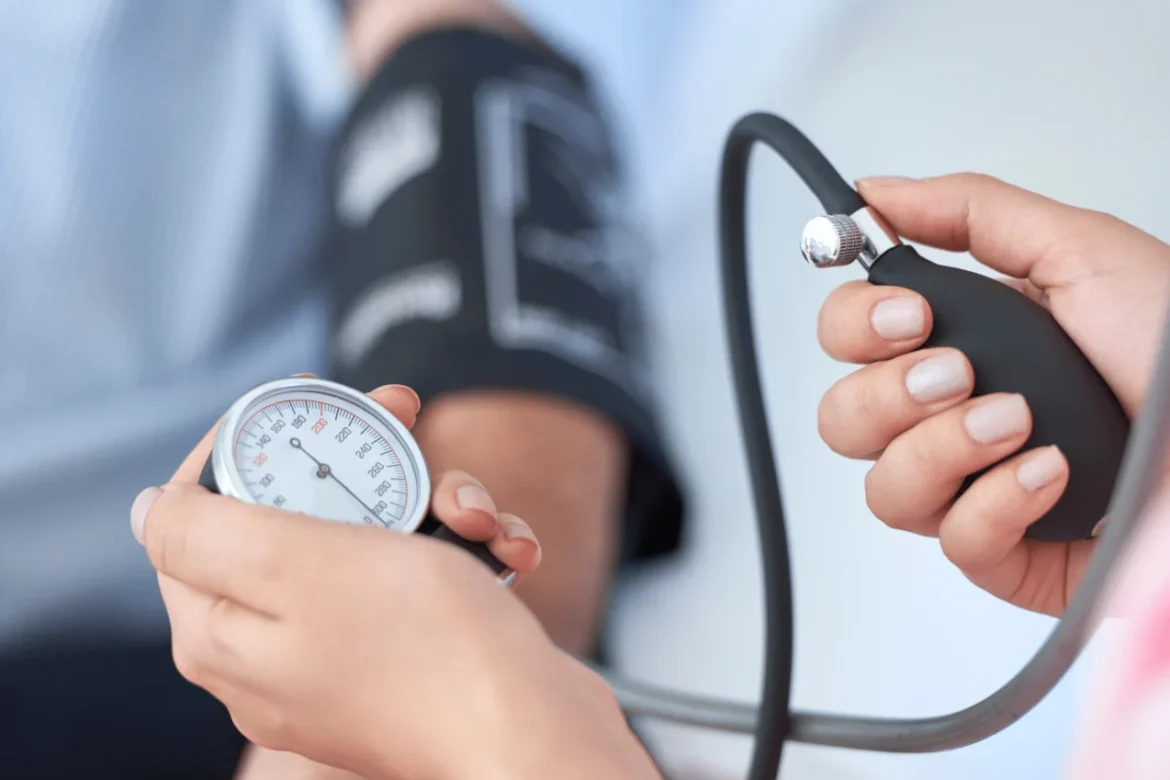
Every blood pressure reading has two parts, and each one is measuring something different:
- ❤️ The TOP number (systolic) — the pressure in your arteries at the exact moment your heart beats and pushes blood out.
- 🫀 The BOTTOM number (diastolic) — the pressure in your arteries when your heart is resting between beats, refilling with blood.
Both numbers matter. A person can have a normal top number but a raised bottom number, or vice versa — and either pattern is worth paying attention to.
Where Do You Fall? Blood Pressure Categories Explained
Based on current guidance from cardiology and public health bodies (including the American Heart Association), adult blood pressure is generally grouped like this:
| Category | Systolic (top) | Diastolic (bottom) | |
|---|---|---|---|
| 🟢 Normal | Below 120 | and | Below 80 |
| 🟡 Elevated | 120–129 | and | Below 80 |
| 🟠 Stage 1 (High) | 130–139 | or | 80–89 |
| 🔴 Stage 2 (High) | 140 or above | or | 90 or above |
💡 Why One Reading Doesn't Tell the Whole Story
Blood pressure naturally shifts throughout the day — it responds to stress, caffeine, exercise, hydration, even the cuff being the wrong size or you talking during the reading. One elevated number at the pharmacy isn't a diagnosis. What matters clinically is a consistent pattern over time, measured correctly (seated, feet flat, arm supported at heart level, after 5 minutes of rest). If your numbers are creeping up across several readings, that's the signal to speak to your GP or a healthcare professional — not to panic over a single snapshot.
The Nutritionist's Approach: A Heart-Healthy Lifestyle, Not a Quick Fix
There's no single "magic food" that fixes blood pressure. What actually moves the needle — and what I build into every personalised nutrition and weight loss plan at Karma Clinic — is a combination of:
- A heart-healthy eating pattern (think Mediterranean/DASH-style — very achievable living in Malta!)
- Regular physical activity — even brisk daily walking supports healthier numbers
- Managing stress — chronic stress keeps the body in a state that raises blood pressure
- Watching sodium intake — Malta's food culture (bread, cheese, processed meats, bouillon cubes) can be surprisingly salt-heavy without us noticing
- Maintaining a healthy weight — even modest, sustainable weight loss can meaningfully lower blood pressure
- Limiting alcohol and moderating caffeine, especially if you're sensitive to either
This is exactly why diet, fitness, and slimming goals aren't just about how you look — they're directly tied to how your heart and arteries are functioning.
Best & Worst Foods for Blood Pressure
🥗 Best Foods
- Leafy greens — potassium to help balance sodium
- Oily fish (salmon, sardines, mackerel) — omega-3s for artery health
- Berries — blueberries, strawberries
- Beetroot — supports vessel flexibility
- Oats & whole grains — soluble fibre
- Bananas, avocados, potatoes (skin on) — potassium
- Garlic & onions — flavour without salt
- Unsalted nuts & seeds — magnesium, healthy fats
- Extra virgin olive oil — Mediterranean staple
- Low-fat dairy — calcium and protein
🚫 Foods to Limit
- Processed & cured meats — bacon, sausages, deli meats
- Salted or aged cheeses, in large amounts
- Ready meals, canned soups, stock cubes — hidden sodium
- Fast food & fried takeaway
- Excess added sugar — pastries, sugary drinks
- Excess alcohol
- Too much caffeine, if you're sensitive
- Heavy-handed table salt — swap for herbs, lemon, garlic
🍽️ 3 Heart-Healthy Recipes to Start Today
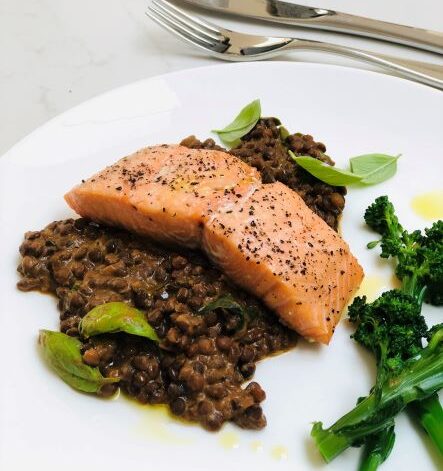
1️⃣ Baked Salmon with Lemon, Garlic & Herbs — Dinner
Rich in omega-3s and potassium, naturally low in sodium.
Ingredients
- 1 salmon fillet
- 1 clove garlic, minced
- Juice of ½ lemon
- 1 tsp olive oil
- Fresh parsley, oregano, or dill
- Black pepper, to taste
- Courgette, peppers, cherry tomatoes, for roasting
Method
- Preheat oven to 200°C.
- Place salmon on a lined tray, drizzle with olive oil and lemon juice.
- Top with garlic and herbs.
- Bake 12–15 minutes until just cooked through.
- Roast vegetables alongside with a light drizzle of olive oil — no added salt needed.
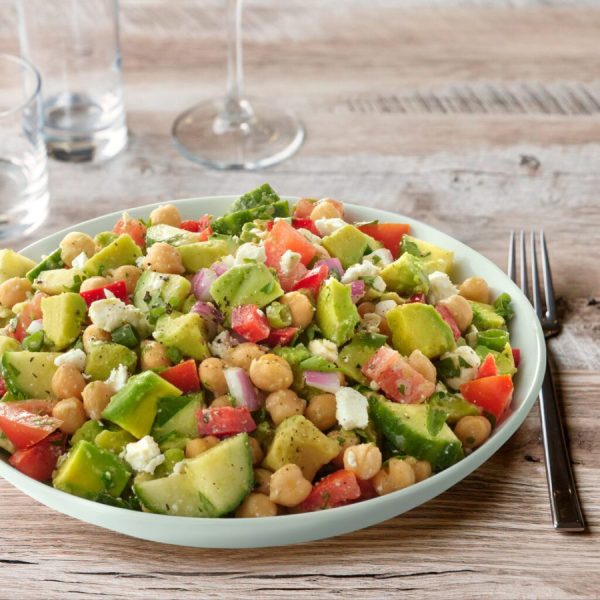
2️⃣ Mediterranean Quinoa & Chickpea Salad — Lunch
High in fibre and plant protein — a satisfying, slimming-friendly lunch.
Ingredients
- 1 cup cooked quinoa
- ½ cup chickpeas, rinsed and drained
- 1 cucumber, diced
- 1 cup cherry tomatoes, halved
- ¼ cup fresh parsley or mint, chopped
- 2 tbsp extra virgin olive oil
- Juice of 1 lemon
- Black pepper, pinch of cumin
Method
- Combine all ingredients in a bowl.
- Dress with olive oil, lemon juice, cumin, and black pepper.
- Toss well and chill 15 minutes before serving.
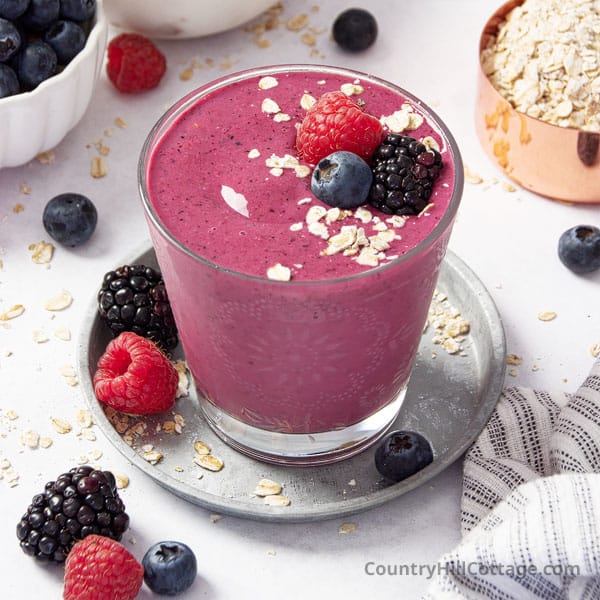
3️⃣ Oat, Walnut & Berry Breakfast Bowl — Breakfast
Soluble fibre plus magnesium and antioxidants to start your day heart-strong.
Ingredients
- ½ cup rolled oats
- 1 cup unsweetened milk or plant milk
- Handful of blueberries or strawberries
- 1 tbsp chopped walnuts
- ½ tsp cinnamon
- Optional: drizzle of honey
Method
- Cook oats with milk over low heat (or soak overnight).
- Top with berries, walnuts, and cinnamon.
- Skip added sugar where you can — the berries do the work.
Quick Questions People Ask Me
Does weight loss actually lower blood pressure?
Yes — for many people, losing even 5–10% of body weight can lead to a measurable improvement in blood pressure readings, especially when paired with regular movement and reduced sodium intake.
Can I reverse elevated blood pressure through diet alone?
For elevated or Stage 1 readings, diet, activity, weight management, and stress reduction can make a real difference for many people. Higher or persistent readings often need a conversation with your doctor about additional support — food is a powerful tool, not a replacement for medical care.
Is Maltese food compatible with a heart-healthy diet?
Absolutely — Malta's Mediterranean roots (olive oil, fish, legumes, vegetables, whole grains) are naturally aligned with heart-healthy eating. The main adjustments are usually around sodium (cured meats, cheeses, bouillon) and portion sizes.
Ready for a Nutrition Plan Built Around Your Own Numbers?
Whether it's weight loss, fitness, or eating in a way that supports your heart, a personalised plan starts with understanding where you are today.
📍 Church Hill Court, Vjal ir-Riħan, San Ġwann, Malta | 📞 (+356) 9944 0384 | ✉️ daniel@karma-clinic.com