


Nutritionist Malta Guide to Cholesterol, Healthy Diet, Lifestyle and Heart Health
Cholesterol is often described as something we need to “lower”, but cholesterol itself is not the enemy.
Your body actually needs cholesterol. It is an essential fatty substance used to build cell membranes and produce important hormones, vitamin D and bile acids that help with digestion.
The problem develops when the balance of cholesterol and other fats circulating in the blood becomes unhealthy — particularly when LDL cholesterol remains elevated over time.
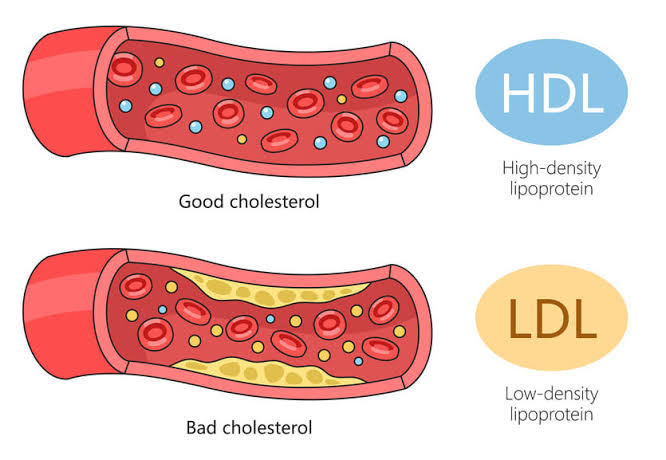
High LDL cholesterol can contribute to the development of fatty deposits inside the arteries, known as atherosclerosis. As these deposits accumulate, arteries may become narrower and less flexible, increasing the risk of cardiovascular disease, heart attack, stroke and peripheral artery disease.
Understanding your cholesterol numbers — and knowing how nutrition, exercise, body weight, age, genetics and lifestyle affect them — is therefore an important part of protecting your long-term health.
At Karma Clinic Malta, nutritional management should always be individualised rather than simply dividing foods into “good” and “bad”. Age, medical history, medication, activity level, body composition, family history and overall cardiovascular risk all need to be considered.
What Is Cholesterol?
Cholesterol is a waxy, fat-like substance found naturally in the body.
Because cholesterol cannot travel freely through the bloodstream, it is transported in particles called lipoproteins.
The two most commonly discussed are:
- LDL — Low-Density Lipoprotein
- HDL — High-Density Lipoprotein
A cholesterol blood test may also measure:
- Total cholesterol
- Triglycerides
- Non-HDL cholesterol
- LDL cholesterol
- HDL cholesterol
In some people, additional cardiovascular markers such as Apolipoprotein B (ApoB) and Lipoprotein(a), or Lp(a)may also be clinically useful.
Your doctor should interpret these results together with your age, blood pressure, smoking status, diabetes status, kidney health, family history and previous cardiovascular disease rather than looking at total cholesterol alone.
LDL Cholesterol: The So-Called “Bad” Cholesterol
LDL is commonly called bad cholesterol because persistently high concentrations of LDL particles increase the amount of cholesterol that can enter and accumulate within artery walls.
Over time, this process can contribute to atherosclerotic plaque.
These plaques can:
- Narrow arteries
- Restrict blood flow
- Reduce the delivery of oxygen to tissues
- Contribute to coronary heart disease
- Increase the risk of heart attack
- Increase the risk of stroke
- Contribute to peripheral artery disease
For this reason, lowering LDL cholesterol is one of the principal targets of cardiovascular disease prevention.
However, there is no single LDL number that is ideal for absolutely everyone.
Someone who is young and otherwise healthy may have a different treatment target from somebody who has diabetes, kidney disease or established cardiovascular disease.
A person who has already experienced a heart attack or stroke may require considerably more aggressive LDL management.
This is why cholesterol should always be considered in the context of total cardiovascular risk.
HDL Cholesterol: The “Good” Cholesterol
HDL is commonly known as good cholesterol.
HDL particles participate in transporting cholesterol away from peripheral tissues toward the liver, where cholesterol can be processed and eliminated.
Higher HDL levels have traditionally been associated with lower cardiovascular risk.
However, cholesterol management is more complicated than simply trying to increase HDL.
A high HDL level does not cancel out high LDL cholesterol, and deliberately increasing HDL has not been established as a substitute for reducing LDL and managing overall cardiovascular risk.
Therefore, instead of thinking:
“My HDL is high, so my cholesterol is fine.”
A better approach is to examine the complete lipid profile and overall health picture.
What About Triglycerides?
Triglycerides are another form of fat circulating in the blood.
Your body uses triglycerides to store excess energy.
Elevated triglycerides can be associated with factors including:
- Excess body weight
- Insulin resistance
- Type 2 diabetes
- High intake of refined carbohydrates
- High intake of added sugars
- Excessive alcohol consumption
- Physical inactivity
- Certain medications
- Some medical conditions
- Genetic factors
High triglycerides combined with high LDL or low HDL can indicate an unfavourable cardiovascular risk profile.
Extremely elevated triglycerides require medical attention because they can also increase the risk of acute pancreatitis.
Cholesterol Changes as We Age
Age matters when assessing cholesterol.
Cholesterol and triglyceride levels frequently change as we get older, while cardiovascular risk itself also rises with age.
This does not mean that high cholesterol becomes “normal” or harmless simply because somebody is older.
Instead, cholesterol needs to be interpreted differently according to the individual.
Younger adults
High LDL cholesterol in a younger person should not automatically be ignored.
Years of exposure to elevated LDL can matter. Very high cholesterol at a young age may also suggest a genetic condition such as familial hypercholesterolaemia, particularly when there is a strong family history of premature heart disease.
Adults aged 40–69
During these years it becomes increasingly important to consider cholesterol alongside:
- Blood pressure
- Smoking
- Body weight
- Waist circumference
- Diabetes
- Blood glucose
- Kidney function
- Physical activity
- Family history
- Diet
Your doctor may use a cardiovascular risk assessment rather than deciding treatment from cholesterol alone.
Adults aged 70+
In older adults, treatment becomes even more individualised.
Existing cardiovascular disease, diabetes, kidney disease, medication use, frailty and general health all need to be considered.
For this reason, an older person should not dramatically restrict their diet or begin cholesterol supplements simply because one laboratory result is elevated.
Health Conditions That Make Cholesterol More Important
Cholesterol management deserves particular attention in people with conditions such as:
- Cardiovascular disease
- Previous heart attack
- Previous stroke
- Diabetes
- Chronic kidney disease
- High blood pressure
- Obesity
- Metabolic syndrome
- Familial hypercholesterolaemia
- Strong family history of premature cardiovascular disease
Treatment should be coordinated with your GP or doctor, particularly when medication is already being used.
Can Diet Really Lower Cholesterol?
Yes. Nutrition can make an important contribution to improving a person’s lipid profile and overall cardiovascular health.
But there is no single “cholesterol-lowering superfood”.
The greatest benefit generally comes from changing the overall dietary pattern.
One of the most important changes is replacing foods high in saturated fat with foods containing predominantly unsaturated fats.
Foods and Ingredients to Introduce Into a Cholesterol-Friendly Diet
1. Oats and Barley
Oats are particularly useful because they contain beta-glucan, a type of soluble fibre.
Soluble fibre forms a gel-like substance within the digestive tract and can help reduce cholesterol absorption.
Good choices include:
- Rolled oats
- Porridge
- Oat bran
- Barley
- Wholegrain cereals containing oats
A bowl of porridge with berries, ground flaxseed and a few walnuts can be an excellent heart-friendly breakfast.
2. Beans, Lentils and Chickpeas
Legumes provide soluble fibre, plant protein and numerous micronutrients while naturally containing very little saturated fat.
Try introducing:
- Chickpeas
- Lentils
- Cannellini beans
- Kidney beans
- Black beans
- Peas
Replacing some processed or fatty meats with legumes is particularly useful because you are simultaneously adding fibre and reducing saturated fat.
3. Extra-Virgin Olive Oil
For people living in Malta, adopting a Mediterranean-style dietary pattern is particularly practical.
Use extra-virgin olive oil in sensible portions instead of butter, lard or other fats high in saturated fatty acids.
Olive oil contains predominantly monounsaturated fats and works well with vegetables, salads, beans, fish and whole grains.
4. Nuts
Walnuts, almonds, pistachios and other unsalted nuts can form part of a heart-healthy diet.
They provide:
- Unsaturated fats
- Fibre
- Plant protein
- Minerals
- Bioactive plant compounds
Because nuts are energy dense, portion size still matters — especially when weight loss is also a goal.
5. Ground Flaxseed
Flaxseed provides fibre and alpha-linolenic acid, a plant-based omega-3 fatty acid.
Whole or ground flaxseed appears more useful for cholesterol management than flaxseed oil.
Try adding ground flaxseed to:
- Porridge
- Natural yoghurt
- Smoothies
- Salads
- Homemade wholegrain bread
6. Vegetables
Vegetables should form a substantial part of a cholesterol-friendly diet.
Good choices include:
- Broccoli
- Aubergine
- Courgettes
- Artichokes
- Tomatoes
- Peppers
- Leafy greens
- Cauliflower
- Brussels sprouts
- Carrots
Vegetables provide fibre while helping increase the volume and nutrient density of meals without excessive calories.
7. Fruit
Whole fruit can contribute fibre, antioxidants and polyphenols.
Useful choices include:
- Apples
- Pears
- Oranges
- Berries
- Kiwi
- Pomegranate
- Grapefruit*
Choose whole fruit more often than juice because the fibre remains intact.
Important: Grapefruit can interact with certain medications. Ask your doctor or pharmacist whether grapefruit is suitable if you take regular medication.
8. Oily Fish
Fish such as:
- Sardines
- Mackerel
- Salmon
- Trout
provide long-chain omega-3 fatty acids.
Omega-3 fatty acids are particularly relevant to triglyceride metabolism, although eating fish should not be viewed as a substitute for medical LDL-lowering treatment when this is indicated.
9. Avocado
Avocado provides predominantly unsaturated fats and fibre.
It can replace foods richer in saturated fat in sandwiches, salads and meals.
Again, portions matter because avocado is calorie dense.
10. Soy Foods
Foods such as tofu, tempeh, edamame and unsweetened soy milk can be useful sources of plant protein.
Research suggests soy foods may produce a small cholesterol-lowering effect, particularly when they replace foods high in saturated fat.
Foods to Reduce When LDL Cholesterol Is High
Rather than eliminating every food containing cholesterol, pay particular attention to the overall intake of saturated fatand highly processed foods.
Foods to limit can include:
- Butter
- Lard
- Fatty cuts of meat
- Bacon
- Sausages
- Salami and processed meats
- Full-fat cream
- Large quantities of high-fat cheese
- Pastries
- Biscuits
- Cakes
- Deep-fried foods
- Fast food
- Coconut oil
- Palm oil
- Foods containing trans fats
Instead, choose more:
olive oil + nuts + seeds + fish + legumes + vegetables + whole grains + fruit.
Fibre: One of the Most Important Nutrients for Cholesterol
Increasing dietary fibre is one of the most useful nutritional strategies for improving overall heart health.
Particularly valuable is soluble fibre.
Sources include:
- Oats
- Barley
- Beans
- Lentils
- Chickpeas
- Apples
- Pears
- Citrus fruit
- Flaxseed
- Psyllium
Increase fibre gradually and drink sufficient water, especially when introducing psyllium or significantly increasing whole grains and legumes.
Can Supplements Lower Cholesterol?
This is an area where people need to be particularly careful.
Some supplements and naturally occurring compounds have been studied for their effects on cholesterol, but supplements should not be considered replacements for prescribed cholesterol medication.
Current European cardiovascular guidance does not recommend relying on dietary supplements or vitamins to lower LDL cholesterol and prevent cardiovascular disease.
Nevertheless, several nutritional compounds have demonstrated effects on lipid levels and may be discussed with a healthcare professional as part of an individual nutritional strategy.
Plant Sterols and Stanols
Plant sterols and stanols can reduce intestinal cholesterol absorption and may produce a modest reduction in LDL cholesterol.
They are available in some fortified foods and supplements.
They are not appropriate for everybody, so discuss their use with your healthcare professional.
Psyllium Husk
Psyllium is a concentrated source of soluble fibre.
Regular intake may contribute to lowering LDL cholesterol when incorporated into an appropriate diet.
However, psyllium needs sufficient fluid and may affect the absorption of certain medications if taken too close to them.
Ask your GP, doctor, pharmacist or qualified nutrition professional about appropriate use.
Omega-3
Omega-3 fatty acids, particularly EPA and DHA, can reduce elevated triglycerides.
However, omega-3 should not simply be regarded as an LDL-lowering supplement.
Prescription-strength omega-3 preparations used for specific medical indications are also very different from many standard fish-oil supplements.
Ground Flaxseed
Whole or ground flaxseed may provide modest cholesterol benefits.
Interestingly, the evidence is more favourable for whole/ground flaxseed than flaxseed oil.
Food-first use is therefore generally more appropriate than assuming that an oil capsule will produce the same benefit.
Garlic
Garlic supplements have been investigated for cholesterol reduction.
Research suggests any cholesterol-lowering effect is generally modest and substantially less powerful than established cholesterol-lowering medication.
Using garlic regularly as part of a Mediterranean diet can nevertheless be an excellent way to add flavour without relying excessively on salt, butter or heavy sauces.
Bergamot
Bergamot extracts are frequently marketed as natural cholesterol-lowering products.
Some studies suggest possible improvements in LDL cholesterol and triglycerides, but the evidence remains limited and less certain than that available for established cholesterol-lowering therapies.
Red Yeast Rice: Important Warning
Red yeast rice deserves special attention.
Certain red yeast rice products contain monacolin K, which is chemically identical to the active ingredient in the cholesterol-lowering medicine lovastatin.
This means red yeast rice should not be viewed simply as a harmless “natural supplement”.
It may produce:
- Medication interactions
- Muscle-related side effects
- Liver-related side effects
- Kidney-related problems
Some products have also been found to contain citrinin, a contaminant capable of damaging the kidneys.
Always speak to your GP or doctor before taking red yeast rice.
Important: Speak to Your Doctor Before Taking Supplements
Always consult your GP, doctor or pharmacist before beginning supplements intended to lower cholesterol.
This is particularly important if you:
- Take statins
- Take blood pressure medication
- Take anticoagulants or antiplatelet medication
- Have diabetes
- Have kidney disease
- Have liver disease
- Have cardiovascular disease
- Have previously experienced a heart attack or stroke
- Are pregnant or breastfeeding
- Take several medications
- Are over 65
“Natural” does not automatically mean safe.
Supplements can interact with medications, produce side effects and, in some circumstances, interfere with appropriate medical treatment.
Never stop prescribed cholesterol medication because you have started a supplement unless your doctor specifically advises you to do so.
Lifestyle Changes That Can Help Improve Cholesterol
Nutrition is important, but cholesterol management should involve the complete lifestyle.
Exercise Regularly
Regular physical activity supports cardiovascular health, weight management, insulin sensitivity and triglyceride control.
A combination of:
- Brisk walking
- Cycling
- Swimming
- Resistance training
- Other aerobic exercise
can be highly beneficial.
The most effective exercise programme is one that is appropriate for your medical condition and that you can maintain consistently.
Lose Excess Body Fat When Appropriate
If someone is overweight or has excess abdominal fat, gradual weight loss can improve several cardiovascular risk factors.
The objective should not simply be “lose weight quickly”.
A properly designed programme should preserve muscle mass while improving:
- Body composition
- Dietary quality
- Blood glucose control
- Blood pressure
- Lipid profile
- Long-term eating habits
Stop Smoking
Smoking substantially increases cardiovascular risk.
Someone with high cholesterol who also smokes has multiple cardiovascular risk factors operating simultaneously.
Stopping smoking is therefore one of the most important lifestyle interventions for cardiovascular health.
Be Careful With Alcohol
Excessive alcohol can raise triglycerides, increase calorie intake and negatively affect blood pressure and liver health.
Do not start drinking alcohol because of claims that certain alcoholic drinks are “good for the heart”.
Reduce Added Sugar and Refined Carbohydrates
This becomes particularly important when triglycerides, insulin resistance or body weight are elevated.
Reduce frequent consumption of:
- Sugary drinks
- Sweets
- Cakes
- Biscuits
- Refined bakery products
- Large quantities of white bread
- Highly processed breakfast cereals
- Desserts
Replace these with minimally processed whole foods wherever practical.
A Simple Mediterranean Cholesterol-Friendly Day
Breakfast
Porridge made with oats, berries, ground flaxseed, walnuts and unsweetened milk or fortified plant milk.
Mid-Morning
Apple or pear with a small handful of almonds.
Lunch
Chickpea, tomato, cucumber and leafy-green salad with extra-virgin olive oil, lemon and herbs.
Add wholegrain bread if appropriate for your individual energy requirements.
Snack
Natural yoghurt with berries or a piece of fruit.
Dinner
Grilled sardines or salmon with roasted vegetables and barley, brown rice or another whole grain.
Evening
Herbal tea without added sugar.
The exact portions should be adjusted according to the individual’s age, sex, body composition, activity level, medical conditions and weight-management objectives.
Cholesterol and Weight Loss Are Not Exactly the Same Thing
Someone can be slim and still have high cholesterol.
Likewise, someone who is overweight does not necessarily have severely elevated LDL.
Genetics, age, diet, liver metabolism, hormonal factors, medical conditions and medication can all influence cholesterol.
This is why simply telling someone to “lose weight” is not an adequate cholesterol-management strategy.
A nutritional programme should examine the person as a whole.
When Should You Speak to Your GP?
Consult your GP or doctor if your blood tests show abnormal cholesterol, particularly when:
- LDL cholesterol is substantially elevated
- Triglycerides are very high
- You have diabetes
- You have hypertension
- You have kidney disease
- You have a strong family history of heart disease
- A close relative experienced a heart attack or stroke at a young age
- You have already had cardiovascular disease
- You are considering cholesterol-lowering supplements
High cholesterol usually causes no obvious symptoms, so blood testing and appropriate cardiovascular risk assessment are important.
Nutritionist Malta: A Personalised Approach to Cholesterol and Healthy Eating
Managing cholesterol is not about surviving on salads or removing every enjoyable food from your diet.
It is about improving the nutritional quality of your everyday eating pattern.
A healthy cholesterol-friendly diet can include:
Mediterranean vegetables, fresh fruit, oats, barley, beans, lentils, chickpeas, fish, olive oil, nuts, seeds, whole grains and appropriate portions of lean protein.
At Karma Clinic Malta, nutritional programmes can be personalised according to the individual’s lifestyle, body composition, eating habits and health objectives.
Rather than following another generic diet found online, nutritional changes should be practical enough to become part of your everyday life.
For someone who needs to lose weight, the programme can simultaneously address weight management, healthy eating and cardiovascular nutrition.
For someone already at a healthy weight, the focus may instead be on dietary quality, fibre, saturated fat, physical activity and long-term cardiovascular protection.
Final Thoughts: How to Lower Cholesterol Through Diet and Lifestyle
If your cholesterol is elevated, focus on the changes that have the strongest evidence behind them:
Eat more:
Oats, barley, beans, lentils, vegetables, fruit, nuts, seeds, fish and other minimally processed Mediterranean foods.
Choose healthier fats:
Replace butter and large quantities of saturated fat with foods such as extra-virgin olive oil, nuts, seeds, avocado and fish.
Increase soluble fibre:
Oats, barley, legumes, flaxseed and psyllium can be particularly useful.
Reduce:
Processed meats, excessive saturated fat, deep-fried foods, highly processed foods, added sugars and excessive alcohol.
Move regularly:
Combine aerobic activity with resistance exercise where medically appropriate.
Maintain a healthy body composition:
If weight loss is necessary, aim for sustainable fat loss rather than extreme dieting.
And importantly:
Do not self-treat high cholesterol with supplements. Speak with your GP or doctor before taking any cholesterol-lowering supplement, especially if you already take medication.
Cholesterol management works best when medical assessment, nutrition and sustainable lifestyle changes work together.
About Karma Clinic Malta
Karma Clinic – Nutritionist Malta provides personalised nutrition and diet programmes designed around the individual’s lifestyle, nutritional requirements and health goals.
Whether your objective is healthy eating, weight management, improving your diet or supporting better cardiovascular nutrition, a personalised nutritional approach can help you make changes that are practical, sustainable and appropriate for you.
This article is intended for general educational purposes and does not replace individual medical diagnosis or treatment. If you have high cholesterol, cardiovascular disease or another medical condition, discuss your results and treatment with your GP or medical specialist.