
A Clinical Guide by Daniel Petre – Karma Clinic
Discover how zinc supports thyroid function, metabolic balance, weight loss, and reduces fatigue. Evidence-based nutritional guidance in Malta by a registered nutritionist with 20 years of clinical experience.
Why Zinc Matters More Than You Think
When people in Malta search for solutions related to:
- Thyroid imbalance
- Slow metabolism
- Weight loss resistance
- Persistent tiredness
- Low energy despite normal blood tests
Zinc is rarely the first nutrient considered. Yet clinically, it is one of the most foundational minerals influencing metabolic efficiency and hormonal balance.
Zinc is an essential trace mineral required daily because the body does not store significant reserves. Even mild insufficiency can subtly disrupt thyroid activation, energy production, immune resilience, and recovery.
Unlike fashionable supplements, zinc works at the enzymatic level — supporting hundreds of biochemical reactions that determine how well your body functions.
Zinc and Thyroid Function
How Zinc Supports Thyroid Health
Zinc plays a direct role in:
1. T4 to T3 Conversion
The thyroid produces mostly T4 (inactive hormone). The body must convert it into T3 (active hormone). Zinc supports the enzymatic processes required for this activation.
2. Hypothalamic–Pituitary–Thyroid Axis Regulation
Zinc contributes to signaling between the brain and thyroid gland, helping regulate TSH production.
3. Immune Modulation
In autoimmune thyroid conditions, zinc supports immune balance and reduces inflammatory stress.
Signs Zinc May Be Affecting Thyroid Performance:
- Chronic fatigue
- Feeling cold easily
- Brain fog
- Hair thinning
- Weight gain despite calorie control
- Slow recovery
Zinc alone does not treat thyroid disease, but insufficient levels can worsen metabolic inefficiency.
Zinc and Metabolic Function
Zinc Is Essential for Energy Production
Metabolism is not simply calorie intake versus calorie output. It is a biochemical process dependent on enzyme activity.
Zinc supports:
- Carbohydrate breakdown
- Protein synthesis
- Fat metabolism
- Insulin function
- Mitochondrial efficiency
When zinc levels are optimal, metabolic pathways operate more efficiently, supporting:
- Stable energy levels
- Improved nutrient utilization
- Reduced energy crashes
- Better blood sugar control
In clinical practice in Malta, individuals struggling with “slow metabolism” often benefit from micronutrient optimization before extreme calorie restriction.
Zinc and Weight Loss
Can Zinc Help With Weight Loss?
Zinc is not a fat-burning supplement. However, it supports weight management indirectly through:
Hormonal Regulation
Thyroid hormones and insulin sensitivity depend partly on adequate zinc.
Appetite Control
Zinc influences leptin and ghrelin, hormones that regulate hunger and satiety.
Reduced Inflammation
Low-grade inflammation impairs fat metabolism. Zinc contributes to immune balance.
Taste Sensitivity
Low zinc levels can reduce taste acuity, increasing cravings for salty or sweet foods.
For individuals in Malta experiencing weight loss plateaus, assessing micronutrient status is often a missing step.
Zinc and Chronic Fatigue
Fatigue is one of the most common clinical complaints.
Zinc contributes to:
- Cellular energy production (ATP synthesis)
- Stress adaptation
- Immune resilience
- Nervous system regulation
- Sleep quality
High stress, frequent illness, intense training, and poor sleep increase zinc requirements.
Mild deficiency symptoms may include:
- Low motivation
- Slow recovery
- Frequent infections
- Poor concentration
- Persistent tiredness
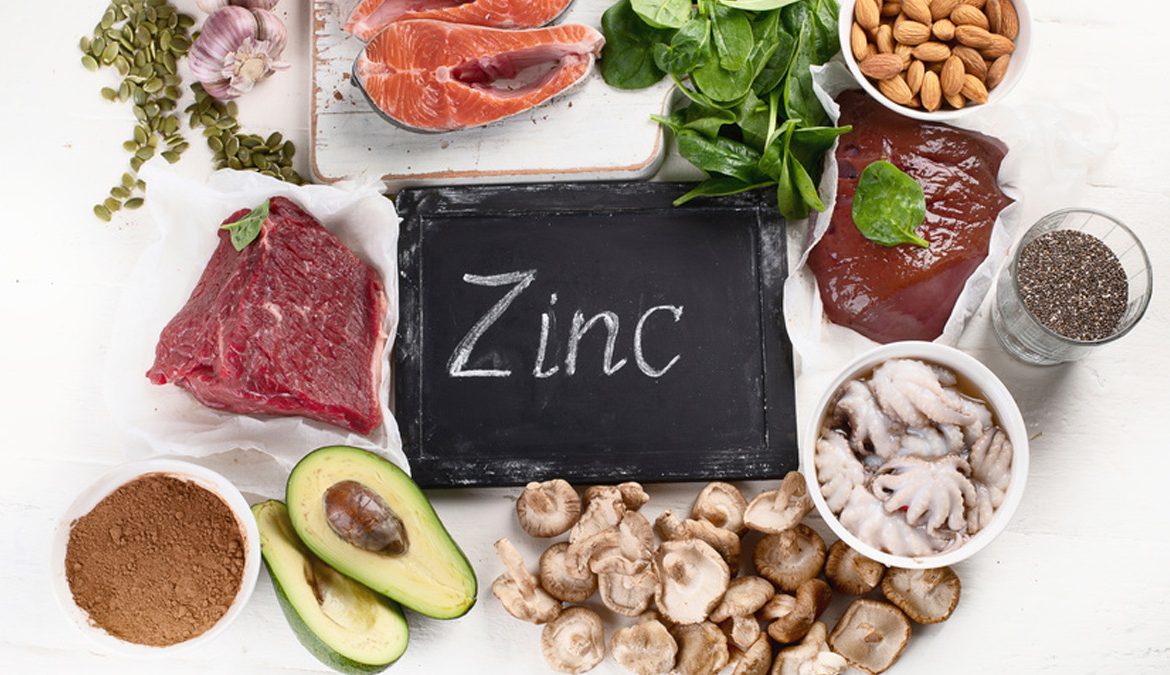
Dietary Sources of Zinc
High-Absorption Sources (Animal-Based)
- Oysters
- Beef and lamb
- Chicken
- Eggs
- Dairy products
Plant-Based Sources (Lower Absorption)
- Pumpkin seeds
- Lentils
- Chickpeas
- Nuts
- Whole grains
Plant compounds called phytates reduce zinc absorption. Vegetarians and individuals consuming high amounts of whole grains may require careful dietary planning.
Who Is at Risk of Zinc Deficiency in Malta?
- Individuals with thyroid dysfunction
- Adults over 50
- People under chronic stress
- Those with digestive disorders
- Vegetarians and vegans
- Individuals following restrictive diets
- Clients struggling with weight loss resistance
Subclinical deficiency is more common than severe deficiency and often goes undetected in standard blood panels.
Recommended Zinc Intake
- Adult Men: 11 mg per day
- Adult Women: 8 mg per day
Supplementation range (when clinically indicated):
15–30 mg daily under professional guidance.
Long-term excessive intake (>40 mg daily) may interfere with copper absorption and should not be self-prescribed.
Why Zinc Matters
In Malta, many individuals focus exclusively on calories, gym routines, or thyroid medication adjustments. However, micronutrient imbalances often determine whether those interventions succeed.
Optimizing zinc levels may support:
- Improved thyroid hormone activation
- Better metabolic efficiency
- Sustainable weight loss
- Reduced fatigue
- Stronger immune resilience
- Faster recovery
Foundational nutrition produces sustainable results.
Clinical Approach at Daniel Petre – Karma Clinic
With 20 years of experience in nutritional practice in Malta, the approach at Daniel Petre – Karma Clinic focuses on:
- Individual metabolic assessment
- Lifestyle evaluation
- Dietary analysis
- Food intolerance and allergy testing
- Body composition testing
- Metabolic function testing
Every client receives a personalized plan because metabolism, thyroid function, and energy balance are influenced by individual factors including diet, stress, sleep, and environment.
There are no generic protocols — only structured, evidence-based, individualized strategies.
Frequently Asked Questions (SEO Structured)
Does zinc help with thyroid problems?
Zinc supports thyroid hormone activation and signaling. It does not replace medical treatment but may improve efficiency when levels are low.
Can zinc improve metabolism?
Yes. Zinc supports enzymatic reactions required for carbohydrate, fat, and protein metabolism.
Is zinc good for weight loss?
Zinc supports hormonal balance and appetite regulation, which may assist structured weight loss programs.
Can low zinc cause tiredness?
Yes. Zinc deficiency may impair energy production and immune resilience, contributing to fatigue.
Final Clinical Insight
Zinc is not a trend. It is a foundational micronutrient that influences thyroid function, metabolism, immune strength, and energy levels.
If you are experiencing:
- Persistent fatigue
- Weight loss resistance
- Thyroid-related symptoms
- Slow metabolic function
A comprehensive nutritional assessment may reveal underlying micronutrient imbalances.
For professional guidance in Malta, structured metabolic evaluation and individualized dietary planning remain the most effective path forward.