

Understanding oxidative stress is becoming increasingly important in modern nutrition, weight management and preventive medicine. Many people focus on calories and diet plans when trying to lose weight, yet cellular health and metabolic balance play a major role in how the body stores and burns fat.
Oxidative stress occurs when harmful molecules called free radicals accumulate faster than the body can neutralize them with antioxidants. When this imbalance persists, it can damage cells, impair metabolism and contribute to inflammation.
In Malta, individuals interested in understanding their metabolic health can measure oxidative stress through specialized testing available at Karma Clinic.
This guide explains:
- what oxidative stress is
- how it affects the body and weight loss
- how diet and lifestyle influence oxidative balance
- how oxidative stress testing can support personalized nutrition
What Is Oxidative Stress?
Oxidative stress is a biological imbalance between free radicals and antioxidants in the body.
Free radicals are unstable molecules produced during normal metabolic processes such as:
- energy production
- immune activity
- detoxification
- inflammation
External factors can also increase free radical production:
- pollution
- cigarette smoke
- processed foods
- alcohol
- chronic stress
When antioxidant defenses are insufficient, free radicals begin damaging:
- DNA
- proteins
- cell membranes
- mitochondria
Over time this cellular damage contributes to aging and many chronic diseases.
How Oxidative Stress Affects the Human Body
1. Metabolism and Weight Gain
Oxidative stress disrupts mitochondrial function, the cellular structures responsible for producing energy. When mitochondria become inefficient, metabolism slows and fat storage increases.
This can make weight loss more difficult, even when diet and exercise are controlled.
2. Chronic Inflammation
Oxidative stress activates inflammatory pathways in the body. Persistent inflammation is linked to several health conditions including:
- obesity
- cardiovascular disease
- diabetes
- autoimmune disorders
Reducing oxidative stress helps lower inflammation and improve metabolic health.
3. Accelerated Aging
Free radical damage contributes to biological aging. It affects:
- skin elasticity
- collagen production
- cognitive health
- immune function
Antioxidant-rich nutrition helps protect cells from this damage.
Oxidative Stress and Difficulty Losing Weight
Many individuals trying to lose weight focus only on calorie restriction. However, metabolic health is influenced by deeper biological mechanisms.
High oxidative stress can contribute to:
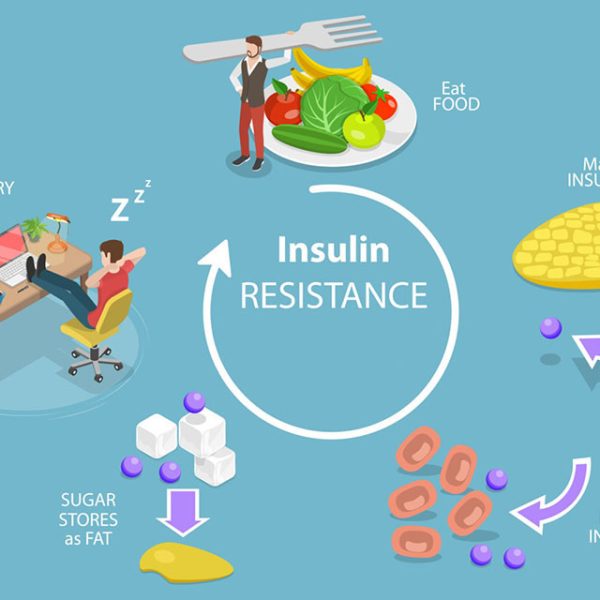
- insulin resistance
- hormonal imbalance
- increased fat storage
- low energy levels
- increased appetite signals
Reducing oxidative stress can improve metabolic flexibility and fat burning capacity.
Oxidative Stress Testing in Malta
Measuring oxidative stress provides valuable insight into a person’s metabolic health.
The Oxidative Stress Test at Karma Clinic evaluates:
- oxidative damage markers
- antioxidant defense levels
- cellular stress indicators
These results can help guide personalized nutrition and lifestyle strategies.
Testing may benefit individuals who:
- struggle with weight loss
- experience chronic fatigue
- have inflammatory conditions
- want preventive health screening
- are optimizing longevity and metabolic health
Nutrition Strategies to Reduce Oxidative Stress
Diet plays a central role in controlling oxidative stress.
The most effective approach is consuming antioxidant-rich whole foods.
Best Antioxidant Foods
Fruits
- berries
- citrus fruits
- grapes
- pomegranates
Vegetables
- spinach
- broccoli
- kale
- carrots
- tomatoes
Healthy Fats
- olive oil
- avocado
- nuts and seeds
Functional Foods
- green tea
- turmeric
- dark chocolate
- garlic
These foods help neutralize free radicals and support cellular repair.
Mediterranean Diet and Healthy Nutrition in Malta
The Mediterranean diet is considered one of the healthiest nutritional patterns in the world and is naturally aligned with traditional Maltese cuisine.
Key components include:
- fresh vegetables
- seafood
- olive oil
- legumes
- whole grains
- seasonal fruits
Research shows that this diet can reduce:
- oxidative stress
- inflammation
- cardiovascular disease risk
- obesity
Adopting Mediterranean nutrition is one of the most effective ways to improve metabolic health and weight management.
Lifestyle Habits That Reduce Oxidative Stress
Regular Exercise
Physical activity increases antioxidant enzyme activity and improves mitochondrial function.
Examples include:
- walking
- swimming
- cycling
- resistance training
Sleep
Sleep allows the body to repair oxidative damage.
Adults should aim for 7–9 hours per night.
Stress Reduction
Chronic stress increases cortisol and oxidative damage.
Helpful strategies include:
- meditation
- breathing exercises
- yoga
- outdoor activity
When Should You Consider an Oxidative Stress Test?
Testing may be helpful if you:
- have difficulty losing weight
- experience persistent fatigue
- have chronic inflammation
- want preventive metabolic health insights
- are improving nutrition and longevity strategies
The Oxidative Stress Test available at Karma Clinic provides measurable data that can guide personalized health strategies.
Frequently Asked Questions
What causes oxidative stress?
Oxidative stress occurs when free radicals exceed the body’s antioxidant defenses. Poor diet, pollution, stress and lack of sleep are common causes.
Can oxidative stress affect weight loss?
Yes. Oxidative stress can impair metabolism, increase inflammation and contribute to insulin resistance, making weight loss more difficult.
How can oxidative stress be reduced?
It can be reduced through antioxidant-rich nutrition, regular exercise, stress management, quality sleep and reducing exposure to environmental toxins.
Is oxidative stress testing useful?
Testing can help evaluate cellular health and guide personalized nutrition and lifestyle strategies.
Conclusion
Oxidative stress plays a significant role in metabolic health, aging, inflammation and weight management. Addressing it requires a combination of:
- balanced nutrition
- antioxidant-rich foods
- healthy lifestyle habits
- advanced metabolic testing
For individuals in Malta seeking deeper insights into their metabolic health, the Oxidative Stress Test at Karma Clinic can provide valuable information that supports personalized nutrition and long-term wellbeing.
{ “@context”: “https://schema.org”, “@type”: “FAQPage”, “mainEntity”: [ { “@type”: “Question”, “name”: “What is oxidative stress?”, “acceptedAnswer”: { “@type”: “Answer”, “text”: “Oxidative stress occurs when free radicals exceed the body’s antioxidant defenses, leading to cellular damage and inflammation.” } }, { “@type”: “Question”, “name”: “Can oxidative stress affect weight loss?”, “acceptedAnswer”: { “@type”: “Answer”, “text”: “Yes. Oxidative stress can impair metabolism, increase inflammation and contribute to insulin resistance, making weight loss more difficult.” } }, { “@type”: “Question”, “name”: “How can oxidative stress be reduced?”, “acceptedAnswer”: { “@type”: “Answer”, “text”: “Oxidative stress can be reduced through antioxidant-rich foods, Mediterranean diet, regular exercise, stress management and adequate sleep.” } }, { “@type”: “Question”, “name”: “Where can oxidative stress be tested in Malta?”, “acceptedAnswer”: { “@type”: “Answer”, “text”: “Oxidative stress testing is available at Karma Clinic in Malta.” } } ] }