
When people hear the word carbs, they often think of weight gain, bloating, or blood sugar spikes. But nutrition science shows that some carbohydrates can actually support slimming, fat loss, gut health, and metabolic balance.
One of the most powerful examples is resistant starch.
This special type of carbohydrate behaves differently inside the body. Instead of being rapidly digested and stored, resistant starch acts more like fiber—feeding healthy gut bacteria, improving fullness, and helping regulate blood sugar.
For people in Malta looking for healthier eating habits, sustainable weight loss, and better digestion without extreme dieting, resistant starch can become a practical and affordable nutritional tool.
What Is Resistant Starch?
Resistant starch is a carbohydrate that “resists” digestion in the small intestine.
Instead of quickly turning into glucose, it travels to the large intestine where it feeds beneficial gut bacteria and produces compounds called short-chain fatty acids, especially butyrate.
This process supports:
- Gut health
- Weight management
- Blood sugar control
- Reduced inflammation
- Better digestion
Unlike refined carbohydrates, resistant starch provides a slower and more stable energy release.
Why Resistant Starch Is Important for Weight Loss & Slimming
1. Helps You Feel Full Longer
One of the biggest challenges during dieting is hunger.
Resistant starch naturally increases satiety, meaning:
- You stay full longer
- Cravings decrease
- Snacking becomes easier to control
Example:
A breakfast with overnight oats and chia seeds keeps most people satisfied much longer than sugary cereal or white bread.
2. Supports Fat Loss Without Extreme Restriction
Many restrictive diets fail because they eliminate carbohydrates completely.
Resistant starch allows you to:
- Eat satisfying meals
- Maintain energy levels
- Support metabolism
- Reduce overeating naturally
This makes it ideal for:
- Sustainable slimming
- Healthy dieting
- Long-term weight management
3. Reduces Blood Sugar Spikes
Rapid glucose spikes often lead to:
- Energy crashes
- Increased hunger
- Fat storage
- Sugar cravings
Resistant starch slows digestion and improves insulin sensitivity.
Practical Example:
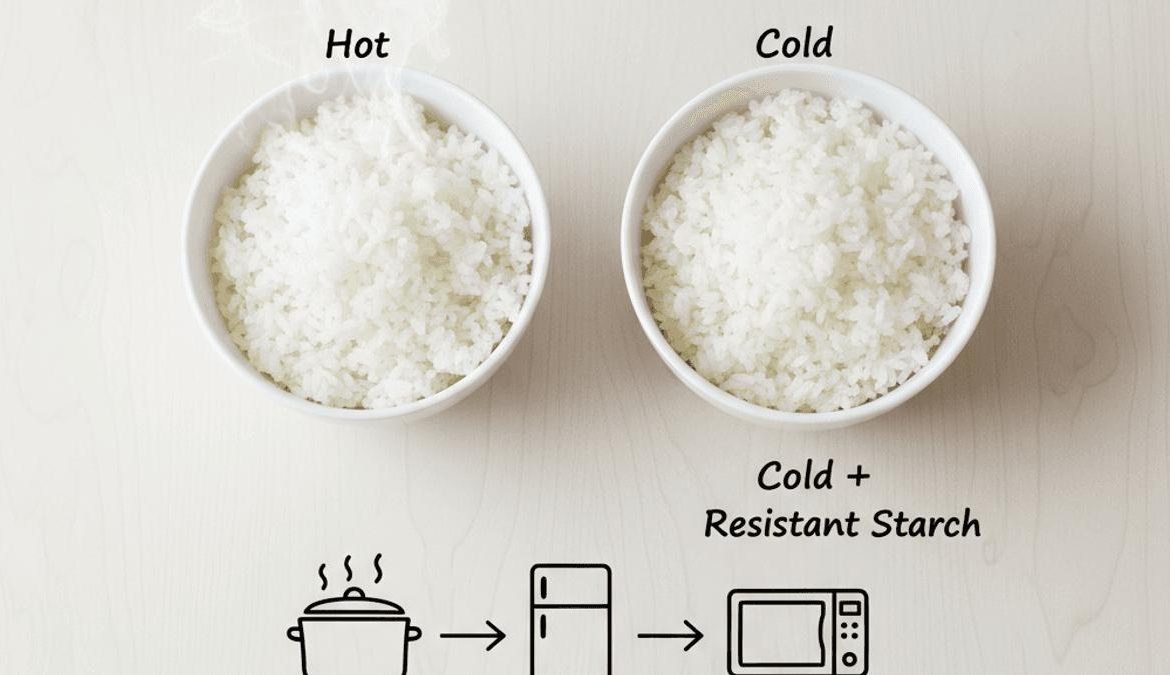
Cooked and cooled rice has a lower glycemic impact than freshly cooked hot rice.
This is especially helpful for:
- Prediabetes
- Insulin resistance
- PCOS
- Weight management diets
Resistant Starch & Gut Health
Gut health plays a major role in:
- Digestion
- Immunity
- Weight regulation
- Inflammation
- Mental wellbeing
Resistant starch feeds beneficial bacteria in the colon, helping improve microbiome diversity.
Benefits for Digestive Health
- Better bowel regularity
- Reduced constipation
- Improved gut lining integrity
- Support for healthy digestion
Additional Health Benefits of Resistant Starch
Better Metabolic Health
Research suggests resistant starch may help:
- Improve insulin sensitivity
- Support healthier cholesterol levels
- Reduce visceral belly fat
Supports Heart Health
Replacing refined carbohydrates with resistant starch-rich foods may improve:
- LDL cholesterol
- Triglycerides
- Overall cardiovascular health
Natural Energy Support
Unlike fast sugars that create quick crashes, resistant starch offers more stable energy throughout the day.
This can improve:
- Concentration
- Productivity
- Exercise performance
- Appetite regulation
Best Resistant Starch Foods in Malta
Many resistant starch foods fit naturally into the Mediterranean diet commonly enjoyed in Malta.
Excellent Sources Include:
- Lentils
- Chickpeas
- Beans
- Oats
- Whole grains
- Green bananas
- Cooked and cooled potatoes
- Cooked and cooled rice
- Cooked and cooled pasta
These foods are affordable, accessible, and easy to include in traditional Maltese and Mediterranean-style meals.
Smart Cooking Tip: Cooling Carbs Changes Their Structure
One of the easiest nutrition hacks is this:
Cook → Cool → Reheat
When foods like potatoes, rice, or pasta cool down, part of their starch converts into resistant starch.
Even after reheating, much of the resistant starch remains.
Example:
- Potato salad
- Pasta salad
- Rice bowls prepared in advance
Perfect for meal prep and healthy dieting.
Healthy Resistant Starch Recipes for Weight Loss
1. Mediterranean Lentil Salad
Ingredients:
- Cooked lentils
- Cherry tomatoes
- Cucumbers
- Olive oil
- Lemon juice
- Fresh herbs
Benefits:
- High fiber
- Rich in resistant starch
- Supports fullness and digestion
2. Overnight Oats for Slimming
Ingredients:
- Rolled oats
- Greek yogurt
- Chia seeds
- Cinnamon
- Berries
Benefits:
- Stabilizes blood sugar
- Keeps you full for hours
- Excellent for healthy breakfast routines
3. Healthy Potato Salad
Ingredients:
- Boiled and cooled potatoes
- Olive oil or Greek yogurt
- Garlic
- Parsley
- Mustard
Benefits:
- Lower glycemic impact
- Supports satiety
- Great alternative to processed side dishes
4. Cold Rice Mediterranean Bowl
Ingredients:
- Cooked and cooled rice
- Grilled chicken or tuna
- Vegetables
- Olive oil
- Avocado
Benefits:
- Balanced energy
- Better blood sugar control
- Excellent meal-prep option
Who Can Benefit Most From Resistant Starch?
Resistant starch may be especially helpful for:
- People trying to lose weight
- Individuals with insulin resistance
- Busy professionals needing stable energy
- People with digestive irregularity
- Anyone wanting healthier carbohydrate choices
Important Tip: Start Slowly
If your diet is currently low in fiber, introduce resistant starch gradually.
Start with:
- Small servings
- Plenty of water
- Consistency over time
This helps your gut bacteria adapt comfortably.
Final Thoughts: Smarter Carbs for Better Health
Resistant starch proves that not all carbohydrates are the enemy.
When used strategically, it can support:
- Weight loss
- Slimming goals
- Gut health
- Blood sugar balance
- Long-term metabolic wellness
For people in Malta looking for a realistic, sustainable approach to healthy eating, resistant starch offers a practical solution rooted in science—not restriction.
Small changes like cooling rice or adding legumes to meals can make a meaningful difference over time.
Healthy nutrition doesn’t have to mean eating less—it often means eating smarter.
Frequently Asked Questions About Resistant Starch
What Is Resistant Starch?
Resistant starch is a type of carbohydrate that resists digestion in the small intestine. Instead of rapidly turning into glucose, it travels to the colon where it feeds beneficial gut bacteria and acts similarly to dietary fiber.
This process produces short-chain fatty acids, especially butyrate, which support:
- Gut health
- Digestion
- Reduced inflammation
- Metabolic health
Unlike refined carbohydrates, resistant starch provides slower energy release and improved satiety.
Is Resistant Starch Good for Weight Loss?
Yes. Resistant starch may support weight loss and slimming in several ways:
- Helps you feel full longer
- Reduces cravings and overeating
- Improves blood sugar balance
- Supports insulin sensitivity
- May increase fat burning and metabolic efficiency
Because it promotes satiety, many people naturally consume fewer calories without feeling deprived.
Examples of weight-loss-friendly resistant starch foods include:
- Lentils
- Chickpeas
- Overnight oats
- Cooked and cooled potatoes
- Cooked and cooled rice
Which Foods Are High in Resistant Starch?
Some of the best natural sources include:
Resistant Starch Foods List
- Green bananas
- Oats
- Lentils
- Chickpeas
- Beans
- Whole grains
- Cooked and cooled rice
- Cooked and cooled potatoes
- Cooked and cooled pasta
- Seeds and legumes
These foods fit well into Mediterranean-style healthy eating patterns commonly followed in Malta.
Does Cooling Rice Increase Resistant Starch?
Yes. Cooling cooked rice changes part of its digestible starch into resistant starch through a process called retrogradation.
Simple Method:
- Cook rice
- Cool it in the refrigerator
- Eat cold or reheat later
Even after reheating, much of the resistant starch remains.
This may:
- Lower the glycemic impact
- Improve satiety
- Support blood sugar balance
The same principle applies to:
- Potatoes
- Pasta
- Other cooked starches
Is Resistant Starch Good for Diabetics?
Resistant starch may be beneficial for people with:
- Prediabetes
- Type 2 diabetes
- Insulin resistance
Because it digests slowly, it can help:
- Reduce blood sugar spikes
- Improve insulin sensitivity
- Stabilize energy levels
- Support appetite control
However, portion sizes and overall diet quality still matter. Individuals with diabetes should combine resistant starch with balanced meals containing:
- Protein
- Healthy fats
- Fiber-rich vegetables
Can Resistant Starch Reduce Belly Fat?
Research suggests resistant starch may help reduce visceral fat, also known as belly fat—the deeper fat stored around internal organs.
This may happen because resistant starch:
- Improves insulin sensitivity
- Increases satiety hormones
- Helps regulate appetite
- Supports healthier metabolism
While resistant starch alone is not a miracle solution, it can become a valuable part of a sustainable fat-loss strategy alongside:
- Healthy nutrition
- Exercise
- Adequate sleep
- Stress management
What Are the Best Resistant Starch Foods in Malta?
Many affordable and traditional Mediterranean foods available in Malta naturally contain resistant starch.
Best Resistant Starch Foods in Malta
- Lentils
- Broad beans
- Chickpeas
- White beans
- Oats
- Potatoes
- Rice
- Whole grain bread
- Mediterranean legumes
- Pasta salads
- Overnight oats
Popular healthy meal ideas include:
- Mediterranean lentil salad
- Potato salad with olive oil
- Cold rice bowls
- Chickpea salads
- Overnight oats with yogurt and seeds
These foods support:
- Healthy digestion
- Slimming goals
- Better blood sugar balance
- Long-lasting energy
How Much Resistant Starch Should You Eat Daily?
There is no official daily recommendation, but many experts suggest gradually increasing intake through whole foods.
A practical target is:
- 15–20 grams daily from food sources
Start slowly to allow the gut microbiome to adapt comfortably.
Are Resistant Starch Foods Better Than Refined Carbohydrates?
Generally, yes.
Compared to refined carbs like white bread, pastries, and sugary cereals, resistant starch foods usually provide:
- Better satiety
- Improved gut health
- More stable blood sugar
- Higher nutritional value
The goal is not to eliminate carbohydrates—but to choose smarter, more functional carbohydrate sources.
Frequently Asked Questions About Resistant Starch
What is resistant starch?
Resistant starch is a type of carbohydrate that resists digestion in the small intestine. Instead, it reaches the colon where it feeds beneficial gut bacteria and acts similarly to fiber.
Is resistant starch good for weight loss?
Yes. Resistant starch may support weight loss by increasing fullness, reducing cravings, supporting blood sugar balance, and improving insulin sensitivity.
Which foods are high in resistant starch?
Foods high in resistant starch include green bananas, oats, lentils, chickpeas, beans, cooked and cooled rice, cooked and cooled potatoes, and cooked and cooled pasta.
Does cooling rice increase resistant starch?
Yes. Cooling cooked rice increases resistant starch through a process called retrogradation. Reheating still preserves much of the resistant starch.
Is resistant starch good for diabetics?
Resistant starch may help people with diabetes or insulin resistance by reducing blood sugar spikes and improving insulin sensitivity. Portion control is still important.
Can resistant starch reduce belly fat?
Resistant starch may support belly fat reduction by improving satiety, insulin sensitivity, gut health, and metabolic function. It works best as part of a balanced diet and active lifestyle.
What are the best resistant starch foods in Malta?
The best resistant starch foods in Malta include lentils, chickpeas, broad beans, oats, potatoes, rice, pasta salads, legumes, and whole grains commonly used in Mediterranean meals.