


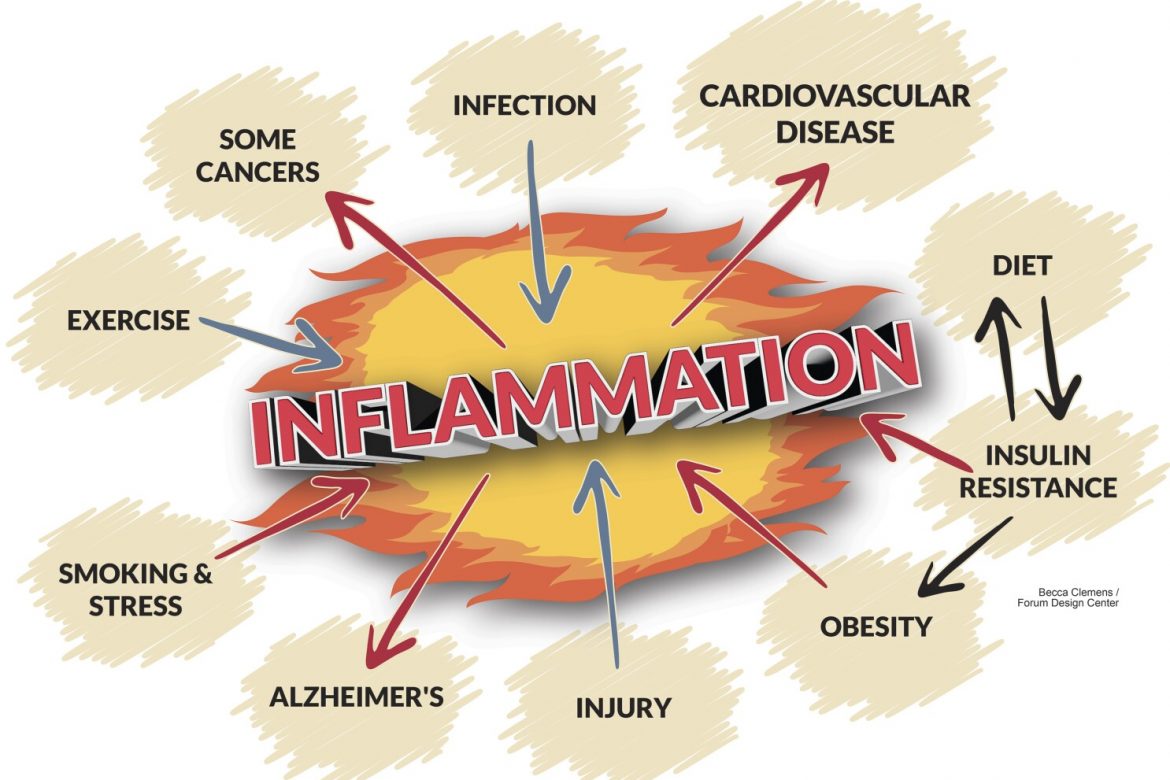
Today, we will focus on learning what inflammation means. We will also learn how inflammation works, and why or when it’s bad/good for your health. We are going to quickly cover inflammation and its role in weight gain and obesity.
To put it shortly, “inflammation” is exactly what it sounds like: a hot, fierce reaction that tells you about your body’s efforts to fight infection. Now, don’t get me wrong here. It’s not necessarily bad for you. It can be good at times, but bad most of the time!
Inflammation is good when it is acute in nature. The term “acute inflammation” refers to the body’s specific, time-limited response to a problem.
For example, if you cut your finger with a dirty knife, the harmful bacteria have instantly flooded your body.
This is where the innate immune system comes to the rescue, triggering acute inflammation and facilitating healing through pain, redness, swelling, and heat.
When acute inflammation persists for too long, it starts causing damage to the body. This state of persistent inflammation is called chronic inflammation.
Chronic inflammation occurs as a gradual, persistent, and long-term response of the body. Chronic inflammation is something we need to worry about when it comes to obesity, weight gain, and autoimmunity.
Chronic inflammation can make it more difficult for you to lose weight. The fat tissues accumulated in your body, when subjected to the impact of chronic inflammation, can be too stubborn to be mobilized to release energy.
As a result, even if you exercise or reduce your calorie intake, these fat cells will not be converted into fuel to be used by your body as efficiently as they should. So, the inflamed fat tissues will continue to be accumulated in your body preventing you from losing any pounds.
To make matters worse, your inability to lose weight and the inadequate supply of energy from stored fats during your low-calorie diet or workout sessions will surely demotivate you and prevent you from sticking to the weight loss plan.
This is why; if you want to get rid of those excess fats in your body, you first need to tackle inflammation so that they can be easily mobilized to release energy. Reducing inflammation will speed up fat burning and help you lose weight easily and in a shorter duration.
The inflammatory response is supposed to respond to a specific threat and then go away, allowing your body to return to normal. However, when the threat is a never-ending one, the immune system remains on permanent alert, and inflammation becomes chronic.
And by threat, I mean a variety of factors and not just infections. They include inflammatory foods, stress, toxins, intestinal permeability, lack of sleep, adrenal fatigue… The list goes on and on.
Inflammation is strongly influenced by what we eat, how well we sleep, how stressed we are, and how active we are. And this is why; chronic illnesses including obesity respond to changes in the diet and lifestyle so positively.
One of the best ways to reduce inflammation and support weight loss is to avoid foods that can trigger inflammatory damage to the healthy tissues.
Some foods are inherently pro-inflammatory and those include fast foods, processed foods, and ready foods prepared from processed “vegetable” oils.
These foods can influence hormones, especially insulin. The refined carbohydrates these foods are loaded with can also affect 2 other important hormones called leptin and ghrelin. These hormones control our appetite, immune systems, metabolism, and so, even the pro-inflammatory and anti-inflammatory processes.
Some foods actually seem to be healthy because they are highly nutritious. For example nuts, and seeds! These foods contain rich amounts of proteins, vitamins, fibers, and minerals. But, they are also high in omega-6 fatty acids that have the ability to regulate the cell signaling mechanisms, which can turn on inflammation. So, you need to avoid these foods also. You also need to identify such hidden culprits and avoid them to reduce inflammation in your body.
- Grains
- Dairy
- Legumes
- Eggs, especially the egg whites
- Refined oils and processed sugars
- Non-nutritive sweeteners including stevia
- Nuts and seeds including coffee, cocoa, and seed-based spices
- Gluten Cross-Reactive Foods such as corn, instant coffee, dairy, milk chocolate, oats, millet, rice, soy, and baker’s and brewer’s yeast
- Nightshades such as potatoes (except sweet potatoes), tomatoes, cayenne, eggplants, peppers, tomatillos, and goji berries
- NSAIDs like aspirin and ibuprofen
- Alcohol
- Food thickeners, emulsifiers, processed food chemicals, food dyes, and other food additives
- Meat, chicken, or vegetable stock cubes
- Sauces and condiments like ketchup and barbecue sauce
- Restaurant or instant mashed potatoes
- Vegan meat substitutes
- Scrambled eggs in restaurants