


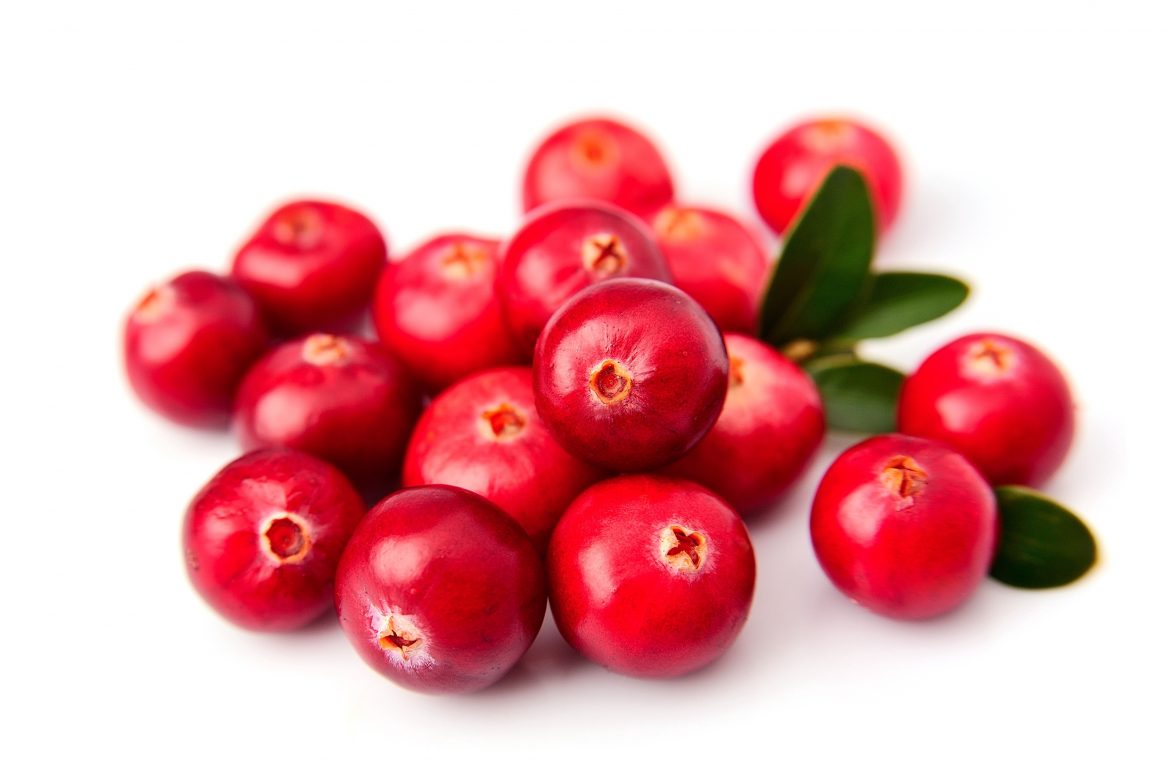
Peak season: September through December
Cranberries go hand in hand with the holiday season. Cranberry sauce is a must-have for most of us on Thanksgiving, and they do look lovely strung around the tree at Christmastime. But their value goes well beyond sauce or a simple decoration.

Cranberries are a popular superfood. People can consume them in the form of a sauce or a juice. They can also add them to stuffing, casseroles, or dessert.
Fresh cranberries are nearly 90% water, but the rest is mostly carbs and fiber.
The main nutrients in 1 cup (100 grams) of raw, unsweetened cranberries are (1Trusted Source):
- Calories: 46
- Water: 87%
- Protein: 0.4 grams
- Carbs: 12.2 grams
- Sugar: 4 grams
- Fiber: 4.6 grams
- Fat: 0.1 grams
Carbs and Fiber
Cranberries are primarily composed of carbs and fiber (1Trusted Source).
These are mainly simple sugars, such as sucrose, glucose, and fructose (2Trusted Source).
The rest is made up of insoluble fiber — such as pectin, cellulose, and hemicellulose — which pass through your gut almost intact.
Cranberries also contain soluble fiber. For this reason, excessive consumption of cranberries may cause digestive symptoms, such as diarrhea.
On the other hand, cranberry juice contains virtually no fiber and is usually diluted with other fruit juices — and sweetened with added sugar (3Trusted Source).
Vitamins and Minerals
Cranberries are a rich source of several vitamins and minerals, especially vitamin C.
- Vitamin C. Also known as ascorbic acid, vitamin C is one of the predominant antioxidants in cranberries. It is essential for the maintenance of your skin, muscles, and bone.
- Manganese. Found in most foods, manganese is essential for growth, metabolism, and your body’s antioxidant system.
- Vitamin E. A class of essential fat-soluble antioxidants.
- Vitamin K1. Also known as phylloquinone, vitamin K1 is essential for blood clotting.
- Copper. A trace element, often low in the Western diet. Inadequate copper intake may have adverse effects on heart health (4Trusted Source).
Health Benefits of Cranberry
Keeping health in consideration, cranberries due to their high nutrient and antioxidant content are often referred as Superfood. Half cup of cranberries contains only 25 calories. There are several health benefits of cranberries like:
- They are good for heart.
- They are fat free, cholesterol free, low in sodium and a good source of dietary fiber.
- Cranberries are rich in the types of polyphenols associated with a reduced risk of heart disease, diabetes and stroke.
- Cranberries contain flavonoids and other natural compounds that promote good health.
- Cranberry juice contains a high amount of salicylic acid which can help reduce swelling, prevent blood clots
- They are rich in antioxidants with Oxygen Radical Absorbance Capacity (ORAC) score of 9,584 units per 100 g.
- Cranberries can be frozen for up to 1 year.
Tips
- STORAGE TIPS
- A nonreactive pan (stainless steel, enamel-coated or glass) is necessary when cooking acidic foods like cranberries to prevent the food from reacting with the pan. Reactive pans, such as aluminum and cast-iron, can impart an off color and/or off flavor in acidic foods.
- To make quick work of chopping cranberries, place whole berries in a food processor and pulse a few times until the berries are coarsely chopped.
- Cranberries freeze well and can be kept in your freezer in an airtight container, or the bag you bought them in, for months.