


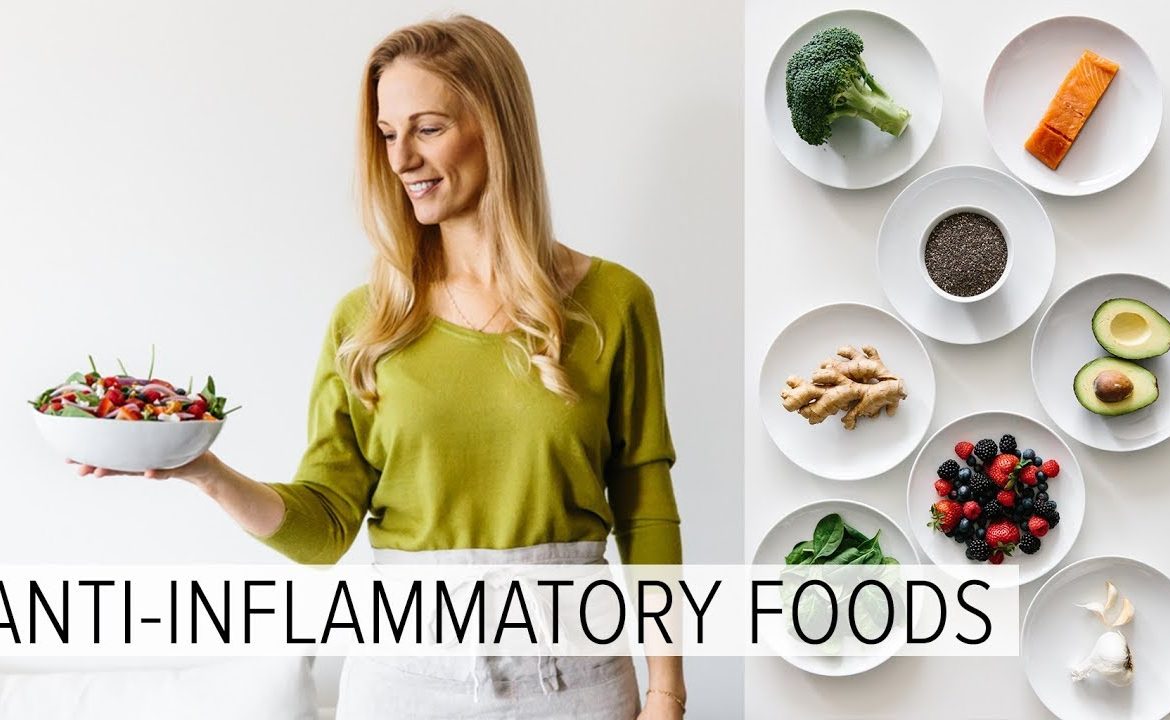
Inflammation is inevitable. It’s the body’s natural way of defending against foreign invaders and helping us heal from injury, which is good! But it’s when it goes into overdrive and turns into chronic inflammation, that things can get hairy. Chronic inflammation can interrupt and damage body cells. When body cells don’t function properly due to a repeated stressor, they are unable to protect against disease or can initiate changes in the body which can contribute to the development of a disease.
Long-term inflammation is one of the driving forces of increased blood pressure and heart disease and other health problems . Research suggests that chronic inflammation leads to excess plaque and damaged blood vessels, ultimately contributing to increased risk for heart disease and hypertension.
The good news is that a healthy diet and lifestyle can help combat chronic inflammation and lower your risk of disease. Lowering inflammation in the body means eating a plant-forward diet and avoiding highly processed foods that contain trans fats or a lot of added sugar. Plus, eating more anti-inflammatory foods means seriously great things for our overall health. The anti-inflammatory diet has been shown to reduce weight, improve blood sugars, prevent certain cancers and protect our brain and joints.
And while there isn’t any one food in particular that will cure all your ills, there are certain foods that pack a powerful punch of antioxidants to help you get started. Add more of these healthy foods into your routine, aim for seven to eight hours of sleep per night, stay active and reduce stress where you can to fight inflammation.
Best Anti-Inflammatory Foods:
- Cherries
- Berries (blueberry, raspberries, blackberries)
- Pomegranate
- Banana
- Avocado
- Olive oil
- Beets
- Dark leafy greens (spinach, kale, chard and more)
- Potato and sweet potato
- Tomatoes
- Beans and lentils
- Whole grains (such as oats, quinoa, whole-wheat bread, brown rice, bulgur, freekeh)
- Nuts and natural nut butters (especially walnuts, almonds and pistachios)
- Seeds (flax, chia, pumpkin, sunflower)
- Edamame
- Fermented dairy, like yogurt and kefir
- Spices
- Fish, especially fatty fish like salmon, tuna, shrimp, sardines and anchovies