


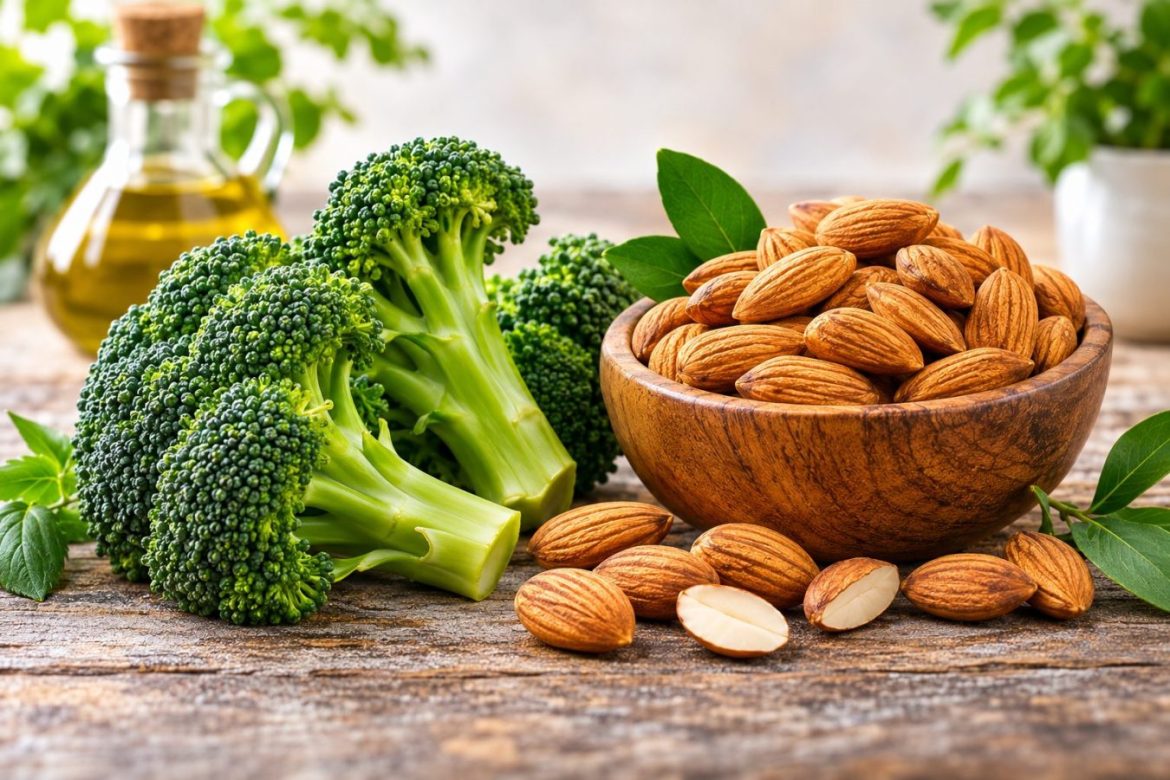
Broccoli vs Almonds: Calcium, Weight Loss, Health Benefits and Risks
Which is better for calcium, slimming and overall health? Discover the nutritional benefits, disadvantages, and practical portions of broccoli and almonds.
By Daniel Petre, Registered Nutritionist · Karma Clinic Malta
Broccoli and almonds are both valuable additions to a healthy diet, but they offer very different nutritional advantages. Broccoli provides vitamins, fibre and food volume for relatively few calories. Almonds supply healthy unsaturated fats, vitamin E, plant protein and more calcium by weight.
For anyone looking for a nutritionist in Malta, a sustainable weight loss programme in Malta, or practical slimming advice, the key is to understand portions and overall dietary balance rather than declare one food the winner.
1. Broccoli vs Almonds: Nutritional Comparison
| Nutrient (per 100 g, raw) | Broccoli | Almonds |
|---|---|---|
| Energy | 34 kcal | 579 kcal |
| Calcium | 47 mg | Approx. 264–269 mg |
| Protein | 2.8 g | 21.2 g |
| Fibre | 2.6 g | 12.5 g |
| Total fat | 0.4 g | 49.9 g |
| Vitamin C | 89 mg | Minimal |
| Vitamin E | Approx. 0.8 mg | Approx. 25.6 mg |
Approximate composition values from USDA FoodData Central. Nutrients vary by variety, product and cooking method.
2. Broccoli: Five Health Benefits
Supports weight management
Broccoli has low energy density, making it useful for adding volume to meals without adding many calories. Its water and fibre content can support fullness when included in balanced meals.
Contributes to bone health
Broccoli provides calcium and vitamin K. Although its total calcium content is modest, calcium from low-oxalate vegetables such as broccoli is relatively well absorbed.
Provides vitamin C
Vitamin C contributes to normal immune function, collagen formation and protection of cells from oxidative stress.
Supports digestive health
Its dietary fibre supports normal bowel function. Gradually increasing fibre intake can help reduce digestive discomfort.
Contains protective plant compounds
Broccoli contains glucosinolates, which can produce compounds such as sulforaphane. These compounds are under scientific investigation; broccoli should not be described as a proven cure or treatment for disease.
3. Broccoli: Possible Disadvantages
- Bloating and gas: Large portions, particularly raw, can cause discomfort in people with sensitive digestion.
- Thyroid considerations: Normal portions are generally compatible with a balanced diet, particularly with adequate iodine intake; those with thyroid disorders should follow individual medical advice.
- Warfarin interactions: Because broccoli is rich in vitamin K, people taking warfarin should keep their vitamin K intake consistent.
- Cooking losses: Prolonged boiling can reduce vitamin C. Light steaming is often a practical option.
4. Almonds: Five Health Benefits
Rich in calcium
Almonds contain approximately 264–269 mg calcium per 100 g. However, phytates and oxalates can limit the proportion absorbed, so higher calcium content does not necessarily mean a greater absorbed amount.
Provide heart-friendly fats
Almonds are rich in unsaturated fats. Replacing some foods high in saturated fat with unsalted nuts can support a heart-healthy eating pattern and improve LDL cholesterol levels.
Excellent source of vitamin E
Vitamin E helps protect cells against oxidative damage. Almonds are one of the richer natural food sources.
Contribute plant protein
Almonds provide approximately 21 g protein per 100 g, although a typical 30 g serving provides around 6 g. They complement rather than replace major protein sources.
Can be satisfying
The combination of fat, protein and fibre can make a measured portion a filling snack. Almonds do not inherently cause weight loss; overall calorie intake still matters.
5. Almonds: Possible Disadvantages
- Calorie density: A handful can be nutritious, but large portions can add substantial calories.
- Tree-nut allergy: Almond allergy may cause serious reactions, including anaphylaxis. Anyone diagnosed with an almond allergy must avoid them.
- Digestive discomfort: Large amounts can cause bloating in some people.
- Kidney stone considerations: Almonds contain oxalates; people with recurrent calcium oxalate stones may need individual dietary guidance.
- Added salt or sugar: Plain, unsalted almonds are usually preferable to heavily salted or sugar-coated varieties.
6. Which Is Better for Weight Loss in Malta?
200 g raw broccoli
About 5.2 g fibre. Useful for creating larger, lower-calorie meals.
30 g raw almonds
About 3.8 g fibre. Nutrient-dense, but portions matter.
For a calorie-controlled slimming diet in Malta, broccoli is helpful for meal volume, while almonds can provide healthy fats and a satisfying snack in measured quantities. Neither food burns abdominal fat. Sustainable weight loss depends on overall energy balance, dietary quality, physical activity and individual circumstances.
7. Which Is Better for Bone Health?
A 30 g portion of almonds supplies approximately 79–81 mg calcium. A 200 g portion of raw broccoli supplies approximately 94 mg. Broccoli calcium is relatively well absorbed, while compounds in almonds can limit absorption. Neither should be your only calcium source.
Other calcium sources include yoghurt, milk, calcium-fortified alternatives, calcium-set tofu and sardines with edible bones. Vitamin D, sufficient protein and weight-bearing exercise also contribute to bone health.
8. Three Healthy Broccoli and Almond Recipes
Steamed Broccoli with Toasted Almonds
Lightly steam 200 g broccoli. Add 15 g toasted almond flakes, lemon juice, garlic and 1 teaspoon olive oil. Serve as a side dish with fish, chicken or tofu.
Mediterranean Broccoli and Chickpea Salad
Combine blanched broccoli, chickpeas, cherry tomatoes, parsley and 15 g chopped almonds. Dress with lemon juice and a small amount of olive oil.
Chicken, Broccoli and Almond Stir-Fry
Cook lean chicken breast with broccoli, ginger, garlic and a little olive oil. Add 15 g unsalted almonds and serve with a moderate portion of brown rice.
Recipes are general examples, not personalised meal prescriptions. Adapt quantities to individual needs and avoid almonds if allergic.
9. Frequently Asked Questions
Are almonds better than broccoli for calcium?
Almonds have more calcium per 100 g, but broccoli calcium is relatively well absorbed. Both can contribute to daily calcium intake.
Can I eat almonds every day while losing weight?
Yes. A measured portion of around 20–30 g can fit into many weight-loss diets, depending on daily energy requirements.
Does broccoli burn belly fat?
No food specifically burns belly fat. Broccoli can support weight management because it is low in calories and contains fibre.
Are almonds fattening?
Almonds are energy-dense, but weight gain depends on sustained overall energy surplus, not on eating one particular food.
Is raw broccoli healthier than cooked broccoli?
Both offer benefits. Raw broccoli retains more heat-sensitive nutrients; light steaming can improve tenderness and digestibility.
Can people with high cholesterol eat almonds?
Generally yes, unless contraindicated. Unsalted almonds can fit into a heart-healthy eating pattern, particularly when replacing foods rich in saturated fat.
10. Personalised Nutrition, Weight Loss and Slimming in Malta
Healthy eating depends on more than a single nutrient. Age, activity, body composition, digestive tolerance, medical history and food preferences all matter. At Karma Clinic Malta, Daniel Petre, Registered Nutritionist, offers individualised nutrition guidance informed by over 20 years of experience.
Whether you want healthier eating habits, a personalised weight-loss strategy or support with body composition and cholesterol, the objective is a practical plan suited to your needs.
Start Your Healthier Eating Journey
Book a free first consultation at Karma Clinic Malta. Personalised nutrition plans and subsequent services may involve a fee.
Conclusion: Broccoli or Almonds?
There is no universal winner. Broccoli offers low-calorie volume, vitamin C and fibre; almonds offer more calcium by weight, vitamin E, unsaturated fats and plant protein. Combining both in sensible portions is often more beneficial than choosing one over the other.
Sources and Further Reading
- USDA FoodData Central — nutrient composition
- NIH Office of Dietary Supplements — Calcium
- NIH Office of Dietary Supplements — Vitamin E
- World Cancer Research Fund — healthy dietary patterns
Educational information only. It does not replace individual medical assessment, particularly for allergies, kidney stones, thyroid disorders or medication interactions.