


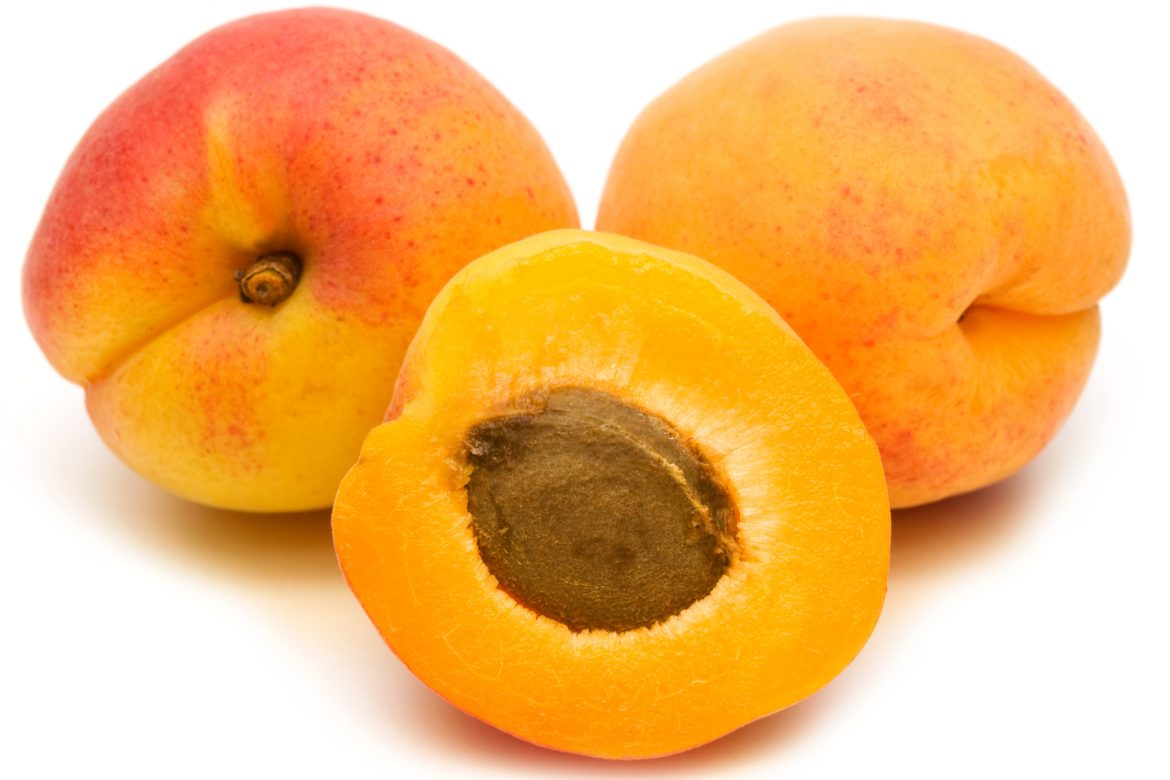
Apricots are thought to have originated in ancient Armenia, although they have a long history throughout Asia and the near East. Now grown throughout the world, these flavoursome fruits have high levels of beta-carotene, which the body turns into antiviral and anti-carcinogenic vitamin A. It is the most abundant antioxidant found in apricots, helping to protect the skin and lungs from oxidation damage and supporting the immune system. It also prevents free radicals from damaging the eyes. Eating fresh apricots can be helpful to those suffering from infections, particularly those of the respiratory tract. Dried apricots supply iron and produce haemoglobin, which is beneficial to those suffering from anaemia. They also have a balancing effect on the nervous system, treating mental fatigue, mild anxiety and insomnia, and yield an oil that is highly nourishing for the skin.
Apricots are an excellent source of vitamin B5, which is crucial for the production of anti-bodies. They are also high in vitamin C, which is essential for all immune functions. In addition, apricots contain lycopene, which is one of the most powerful antioxidants. Lycopene is known for its ability to prevent the build-up of fatty deposits in the arteries and it also has strong anti-carcinogenic properties.
Apricots are rich in the amino acid tryptophan, which the body converts to the feel-good chemical serotonin. This brain chemical lifts your mood, making you feel more optimistic, improving self-esteem and even helping to control impulsive behaviour. And it helps you sleep well too. Some of the tryptophan is also converted to niacin, or vitamin B3, if necessary. A shortage of this nutrient can cause lethargy, so eating apricots can keep energy levels high.
Health Benefits of Apricots
Vitamin A
Apricots are a great source of vitamin A, which you’ve probably heard about before — good for eyesight, right?
But what is vitamin A exactly and how much do you need? A fat-soluble vitamin that’s naturally present in many foods, vitamin A is important for normal vision, proper immune system function, reproduction, and maintaining healthy skin, teeth, and skeletal and soft tissue.
There are two different types of vitamin A. The first type, preformed vitamin A, is found in meat, poultry, fish, and dairy products. The second type, provitamin A, is found in fruits, vegetables, and other plant-based products. The most common type of provitamin A in foods and dietary supplements is beta-carotene.
While research is ongoing, studies examine how vitamin A may play a role in the prevention of cancer and age-related eye disorders. Women are recommended to consume 700 micrograms of vitamin A each day; men should aim for 900 micrograms. A 1-cup serving of apricot slices contains 158 micrograms.
Potassium
Apricots provide a significant source of potassium. Potassium is a mineral and electrolyte that helps you maintain proper fluid balance, aids in muscle function, and helps regulate heartbeat. Potassium also promotes healthy digestion and strong bones. Getting sufficient amounts of potassium each day can help you maintain normal blood pressure and might reduce your risk of having a stroke.
The average adult should get 4.7 grams (4,700 mg) of potassium per day. A 1-cup serving of sliced apricots supplies 427 milligrams of potassium toward your daily requirement.
Fiber
Apricots contain significant amounts of both insoluble and soluble fiber, but are especially high in soluble fiber, which promotes and helps maintain healthy blood glucose and cholesterol levels.
A 1-cup serving of sliced apricots (approximately four-and-a-half fruits) provides about 79 calories and 3.3 grams of fiber. The Mayo Clinic recommends that women age 50 or younger consume 25 grams of fiber a day; men, aged 50 or younger, should consume 38 grams per day.
Dried Apricot Nutrition
Not all dried fruits are created equal
Sugar-encrusted pineapple and fried bananas can’t compare to the bounty of nature’s golden gift:
the apricot. With a hefty dose of fiber that remains intact through the drying process and a great concentration of vitamins and minerals, dried apricots are a veritable superfood!
One cup of dried apricots provides 94% of your body’s daily need for Vitamin A and 19% of its iron. Dried apricots also contain potassium and antioxidants and have been known to lower cholesterol and improve digestion.
Dried apricots are fat-free, low in calories & high in flavor!